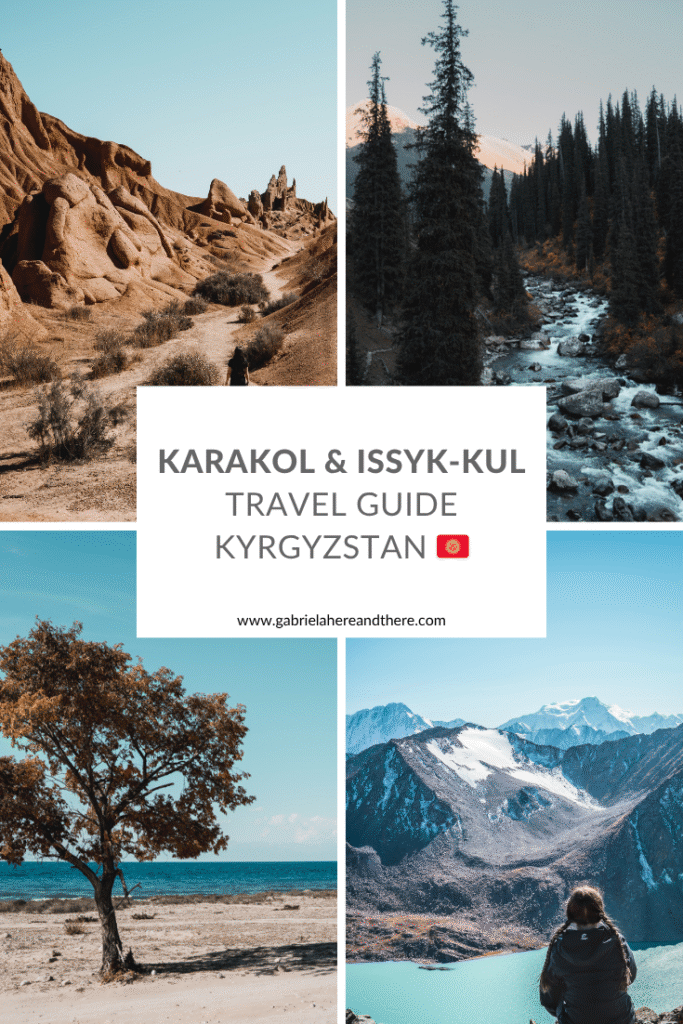
After spending some time working remotely in Bishkek, the capital of Kyrgyzstan, I knew I wanted to get out of the city and experience some nature. And what better place to do that than Karakol — the outdoors capital of Kyrgyzstan.
So off I went and hopped on a marshrutka that took me east to Karakol, a small city tucked into the eastern tip of Issyk-Kul — one of the largest alpine lakes in the world.
Karakol is a small town, but most of the good stuff happens outside of it, and this is the place to be for adventure travel. From red canyon landscapes that look like Mars to impossibly blue glacial lakes, waterfalls, natural hot springs, and stunning mountain hikes, here I experienced some of the most beautiful places I’ve seen in Central Asia.
This Karakol travel guide covers everything: how to get there from Bishkek, what to do around Karakol and Issyk-Kul, how to tackle the Ala-Kul hike, where to stay, and where to eat — including vegan options.
🇰🇬 Planning a trip to Karakol and Issyk-Kul and short on time?
🏔️ Best Tours & Experiences
Issyk-Kul Lake with Canyons & Waterfalls (2 Days from Bishkek)
The best option if you’re short on time — covers the highlights of the region including Issyk-Kul, canyons, and waterfalls in a two-day trip from Bishkek.
5-Day Adventure to Son Kul, Issyk-Kul & Altyn-Arashan
Covers all the highlights of the Issyk-Kul and Karakol regions — Skazka Canyon, Barskoon Gorge, Jeti-Oguz, and the Altyn-Arashan hot springs — plus a visit to Son Kul Lake with an overnight stay in a traditional yurt. The most complete way to see this part of Kyrgyzstan in one trip.
🏨 Where to Stay in Karakol (Quick Picks)
- My pick: Tagaytay Karakol Hotel — family-run, great location, well-connected owner
- Unique stay: Ethnochill Karakol Yurt Camping — private yurts with bathrooms, breakfast included
📶 Get an eSIM for Kyrgyzstan before arrival
🛡️ Get travel insurance for Kyrgyzstan (SafetyWing)
Table of Contents
How to Get to Karakol from Bishkek
The most common and budget-friendly option is a shared marshrutka (minibus) from Bishkek’s new bus station. Marshrutkas to Karakol depart throughout the morning and leave when full — so arrive early if you want to get moving without a long wait. The journey takes roughly 5–6 hours depending on stops and road conditions.
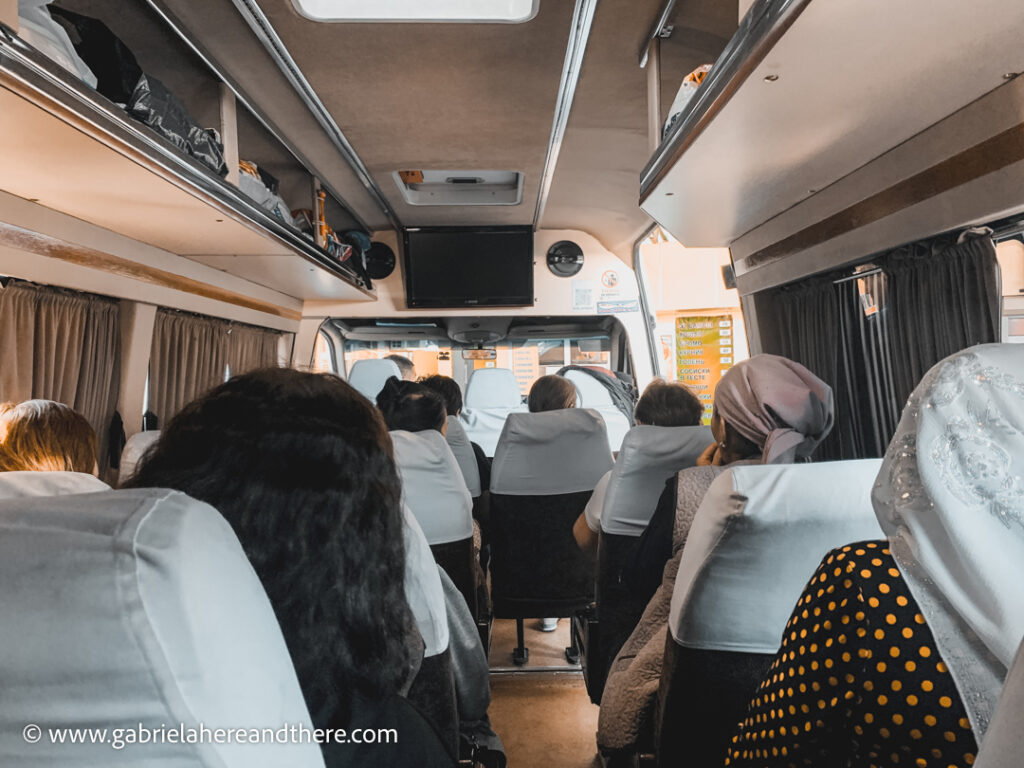
I arrived at the station around noon, so I had to wait a while for the marshrutka to fill up and only made it to Karakol just before sunset.
The road hugs the northern shore of Issyk-Kul for much of the journey, which means lake views for hours. I spent most of the trip just staring out the window at the water.
If you prefer more comfort or flexibility, private taxis and transfers are available and can be arranged through your guesthouse or via local drivers. Expect to pay significantly more, but you’ll have the freedom to stop for photos along the way.
Things to Do in Karakol & Around Issyk-Kul
Hire a Driver for a Day Trip Along the South Shore
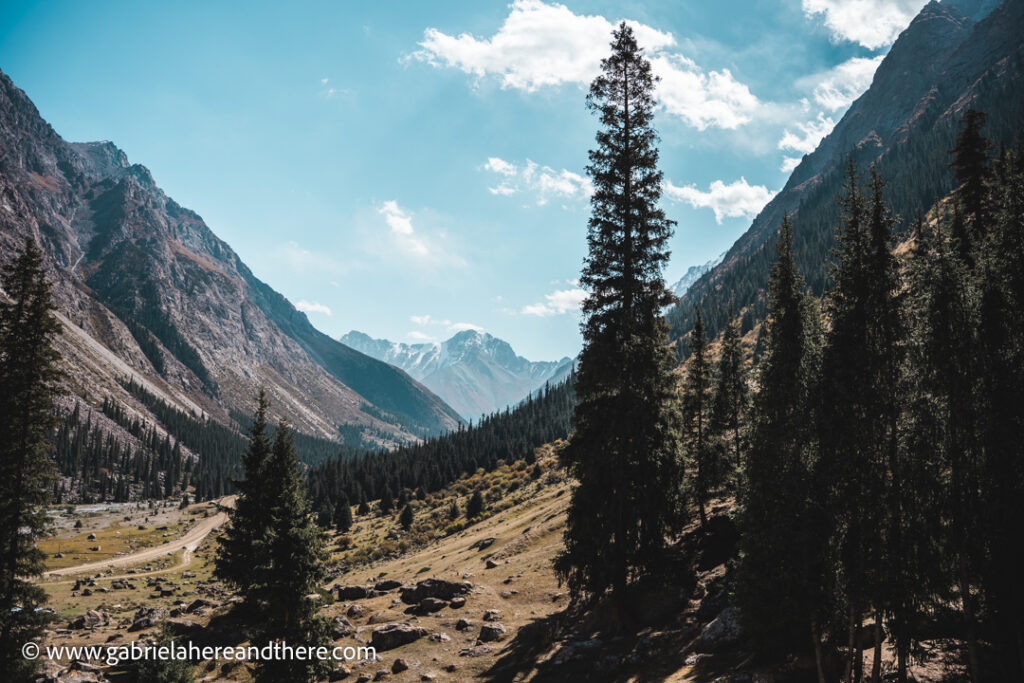
The southern shore of Issyk-Kul is where most of the dramatic scenery is concentrated, and the best way to cover it is to hire a local driver for the day. I hired a driver for a full-day loop that included Skazka Canyon, Barskoon Waterfall, the lakeshore, Jeti-Oguz, and the Seven Bulls rock formations — all very manageable in one long day if you start early.
Your guesthouse can almost always connect you with a reliable driver. I highly recommend staying at Tagaytay Karakol Hotel if you want a guesthouse with a well-connected owner. He arranged drivers and guides for me at very short notice. I’ll dive deeper into other accommodation options below.
Skazka Canyon
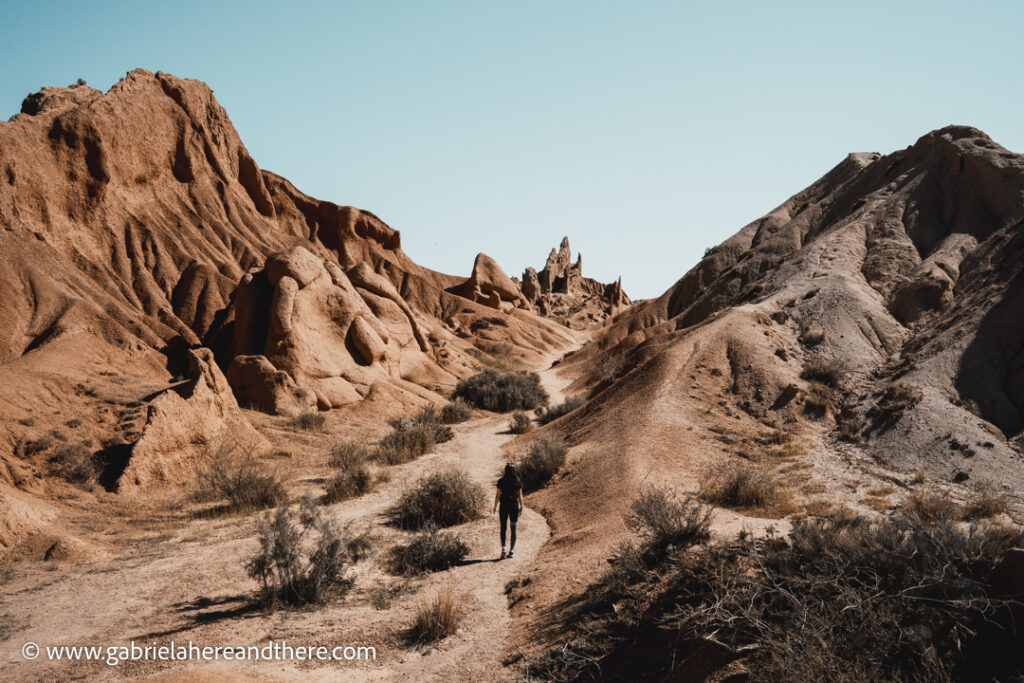
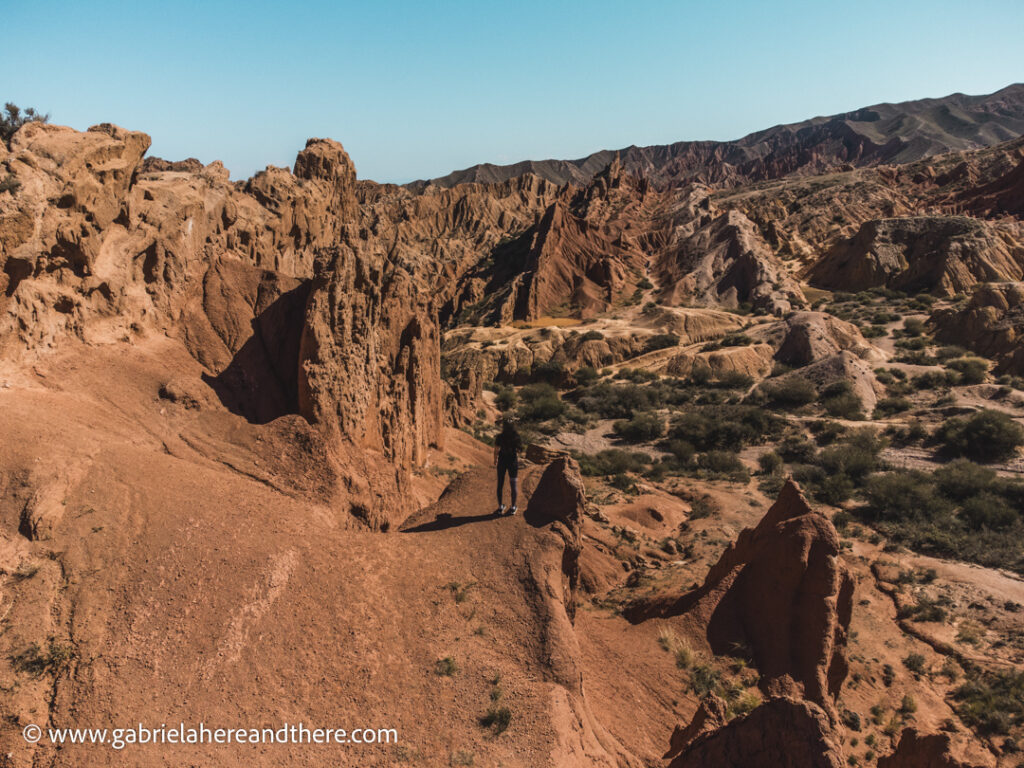
My first stop of the day was Skazka Canyon. Skazka means “fairy tale” in Russian, and it earns the name. The canyon is a strange, eroded landscape of rust-red formations — crumbling pillars and ridges that look like they were sculpted by someone who’d never seen Earth before.
I genuinely felt like I was walking on Mars — one of the most surreal landscapes I’ve ever seen! It sits right on the southern shore, so you get the deep blue of Issyk-Kul glinting behind the rocks. I even flew my drone here and got some epic shots.
Barskoon Waterfall
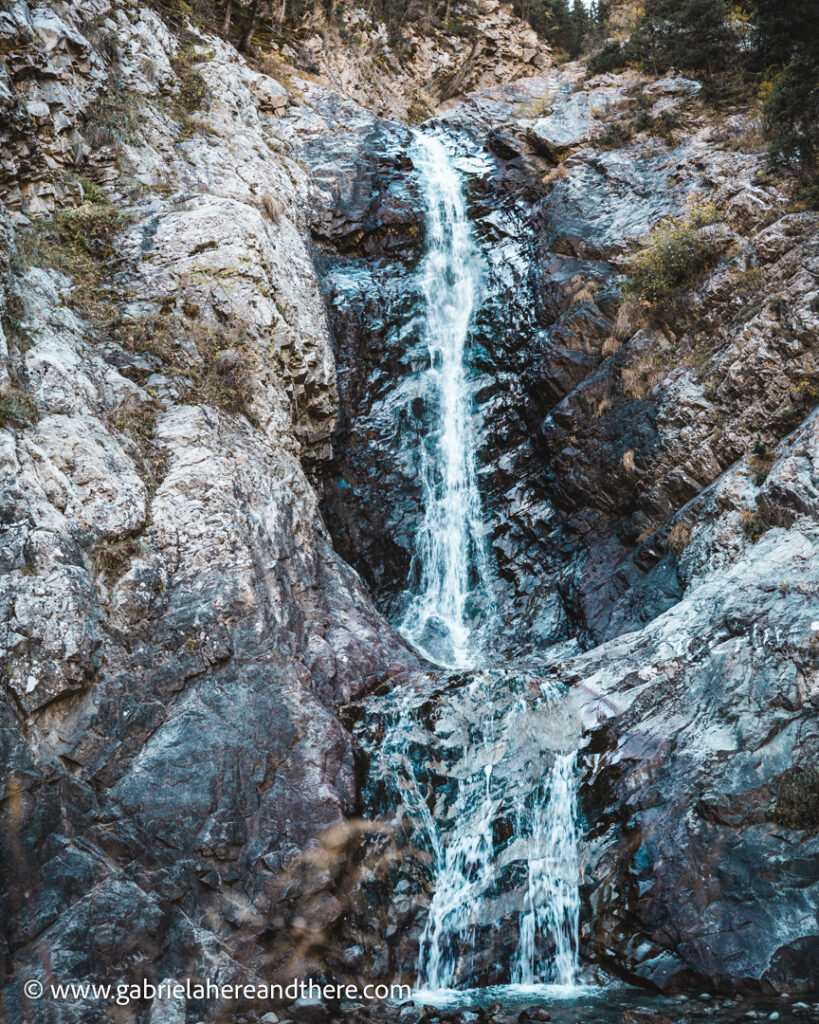
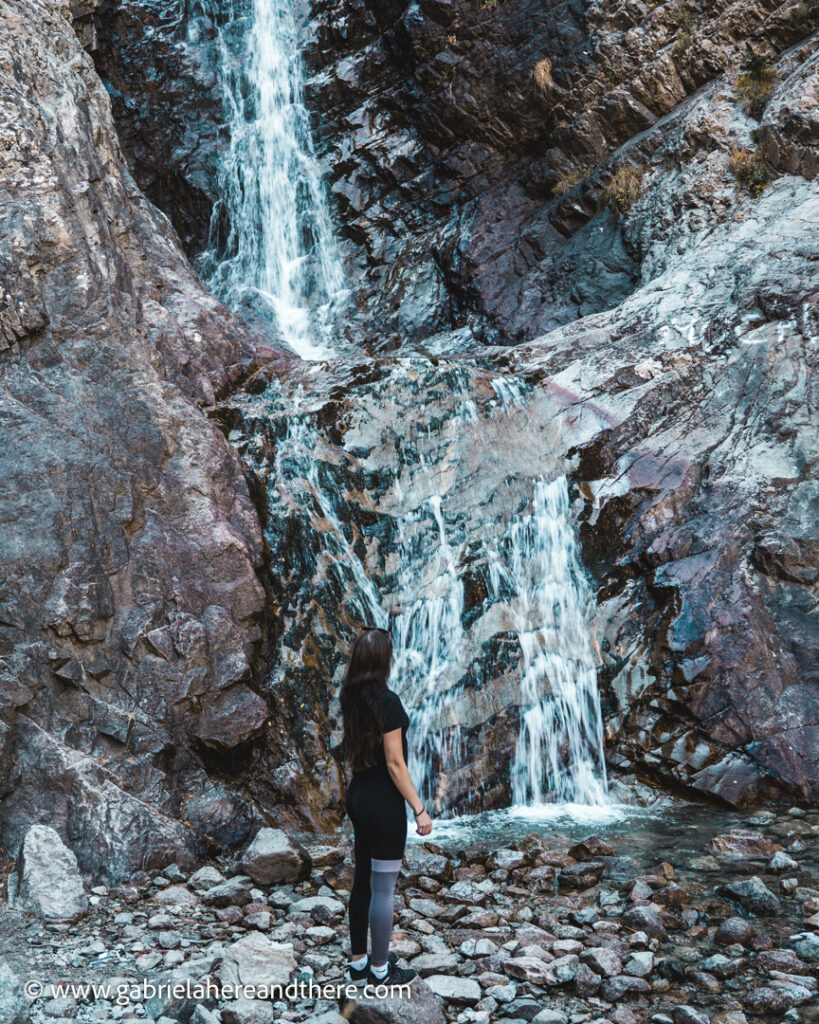
From Skazka, we headed inland up the Barskoon Gorge. The drive alone is worth it — steep valley walls closing in, a river rushing below, peaks appearing above. The waterfall at the top isn’t massive, but the setting is beautiful, with forests and mountains framing it on all sides.
Issyk-Kul Lake
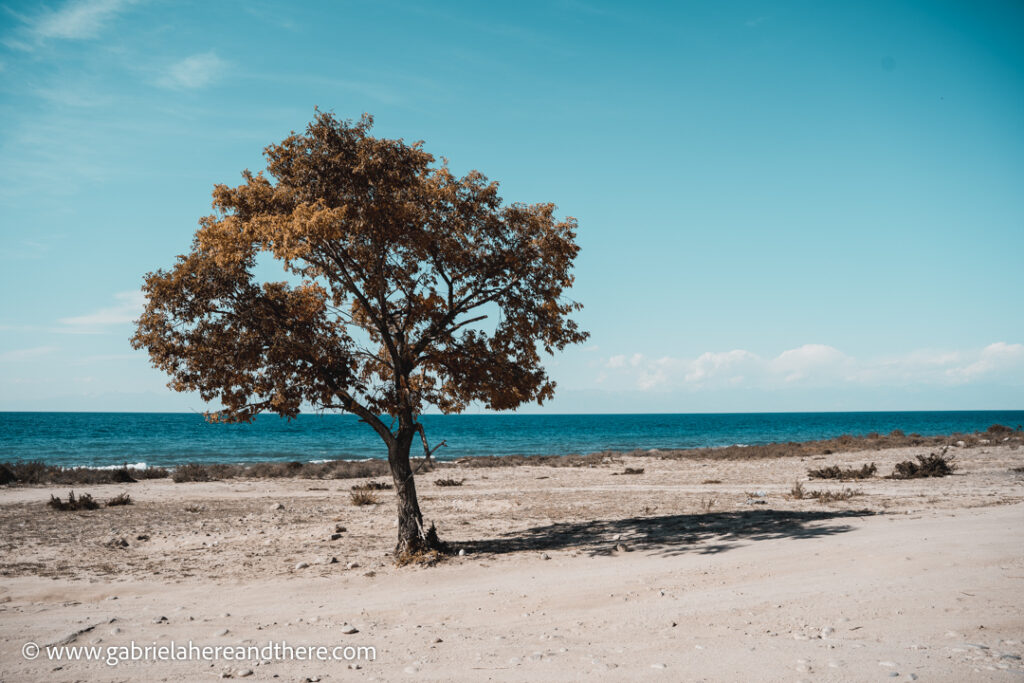
You can’t really miss the lake — it’s everywhere. Issyk-Kul is one of the largest alpine lakes in the world, sitting at around 1,600 meters elevation, which keeps it from ever fully freezing despite brutal winters. The water is a deep, almost unreal blue.
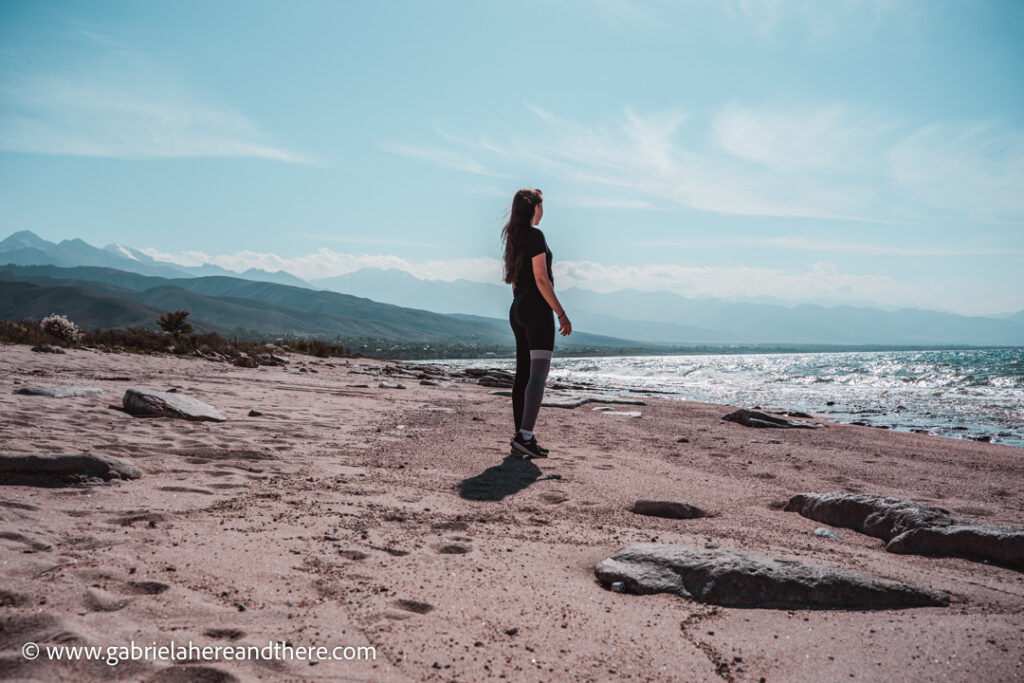
We stopped along the southern shore just to take it in. There wasn’t much to do there beyond walking around, but I still truly enjoyed it. In summer you could swim here, but I visited in autumn and it was already very cold.
Jeti-Oguz and the Seven Bulls
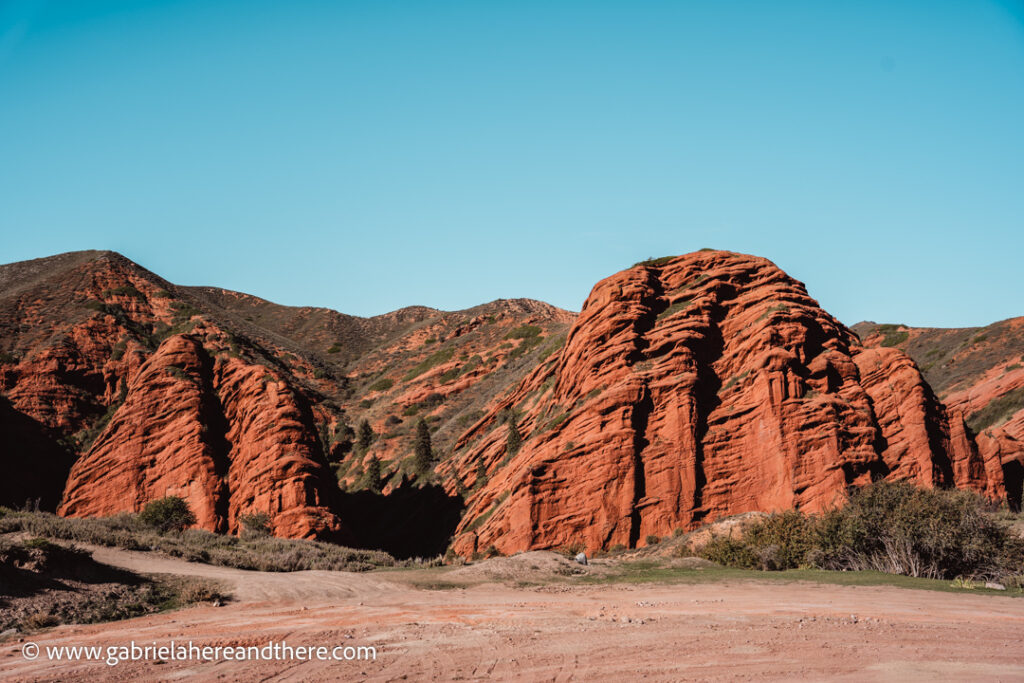
Jeti-Oguz means “seven bulls” in Kyrgyz — and one look at the red sandstone cliffs rising out of the green valley and you get it instantly. This was my last stop of the day. It’s free to visit, photogenic in every direction, and the surrounding landscape — mountains in the distance, and a rural village sitting right next to the formations makes it feel like more than just a photo stop.
Book transport to Jeti-Oguz: If you want to visit just Jeti-Oguz Gorge and the Seven Bulls, you can easily book a 4×4 transfer from Karakol with free time at the gorge directly online.
The Ala-Kul Hike
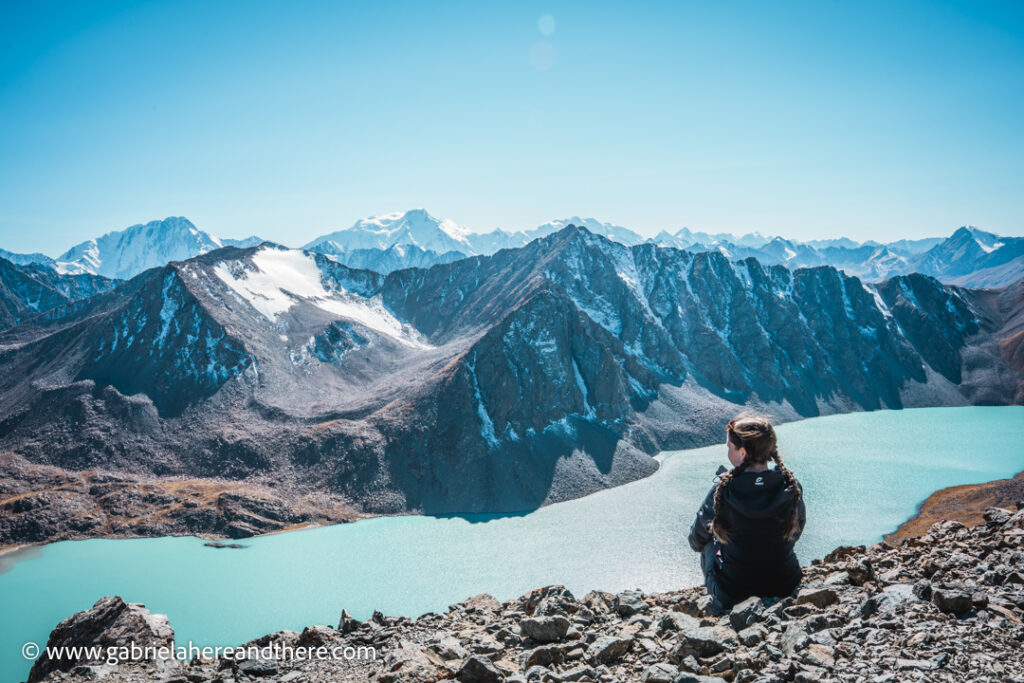
The day after my south shore trip, I tackled the Ala-Kul hike. The full route is a 55 km loop that most hikers complete in 3–4 days, typically done counter-clockwise. It’s a high-altitude trail, and the elevation slows everything down. I didn’t have the option to take several days off work (the realities of being a digital nomad and traveling), so I picked the highlights instead — the lake itself and the natural hot springs — and did it all in a single day. If you want to know how that works, read on.
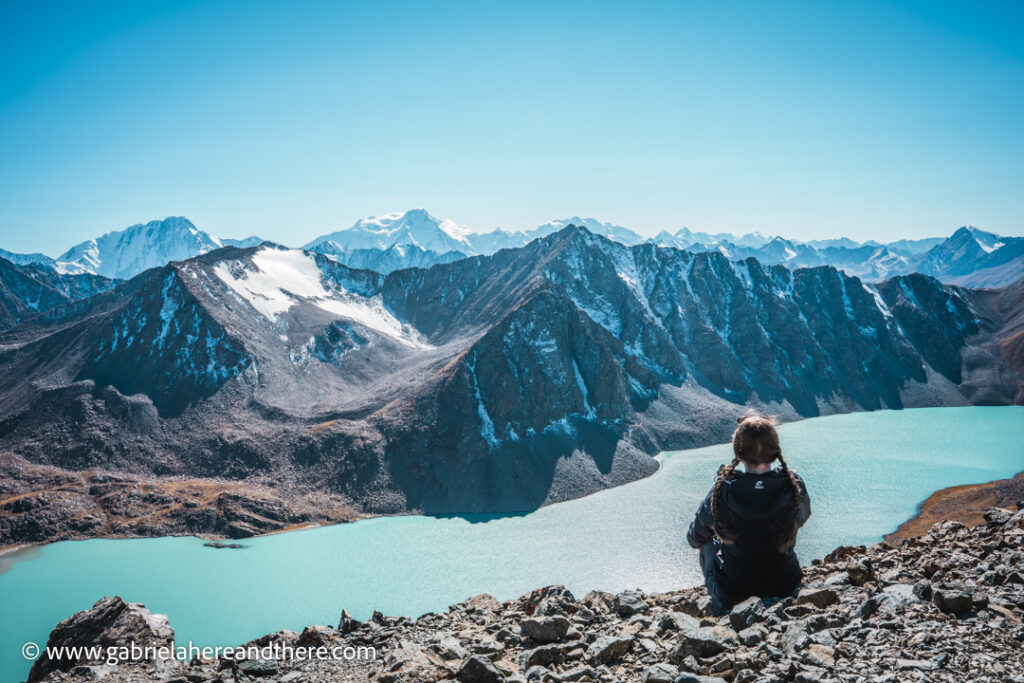
Ala-Kul is a glacial lake sitting at around 3,500 meters, ringed by jagged peaks and a shade of turquoise that genuinely doesn’t look real. The highest point of the hike is the Ala-Kul Pass at nearly 4,000 meters, which overlooks the lake and the glacier below.
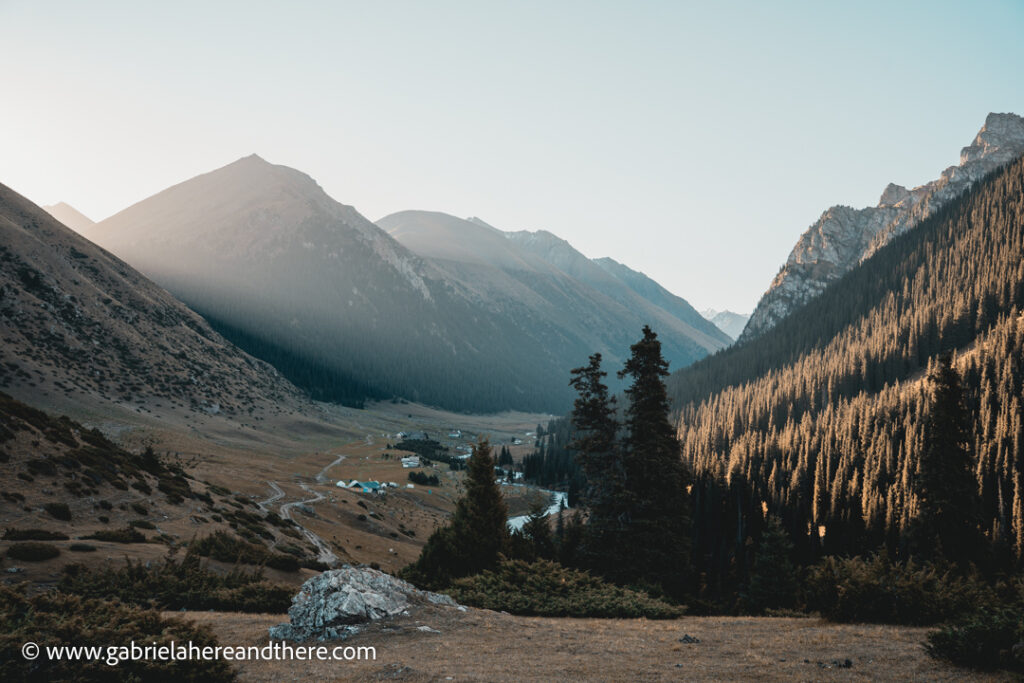
Most people who attempt Ala-Kul as a day trip start from Karakol Valley — it’s the easier direction. I was more ambitious and started from Altyn-Arashan, mainly because I wanted to soak in the natural hot springs there after the hike.
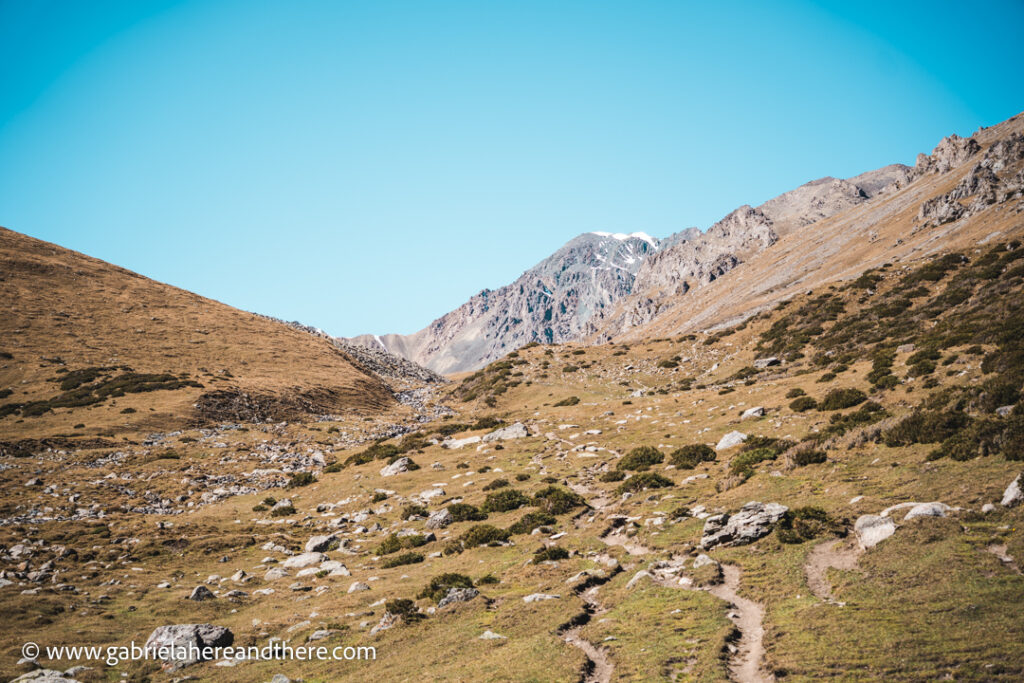
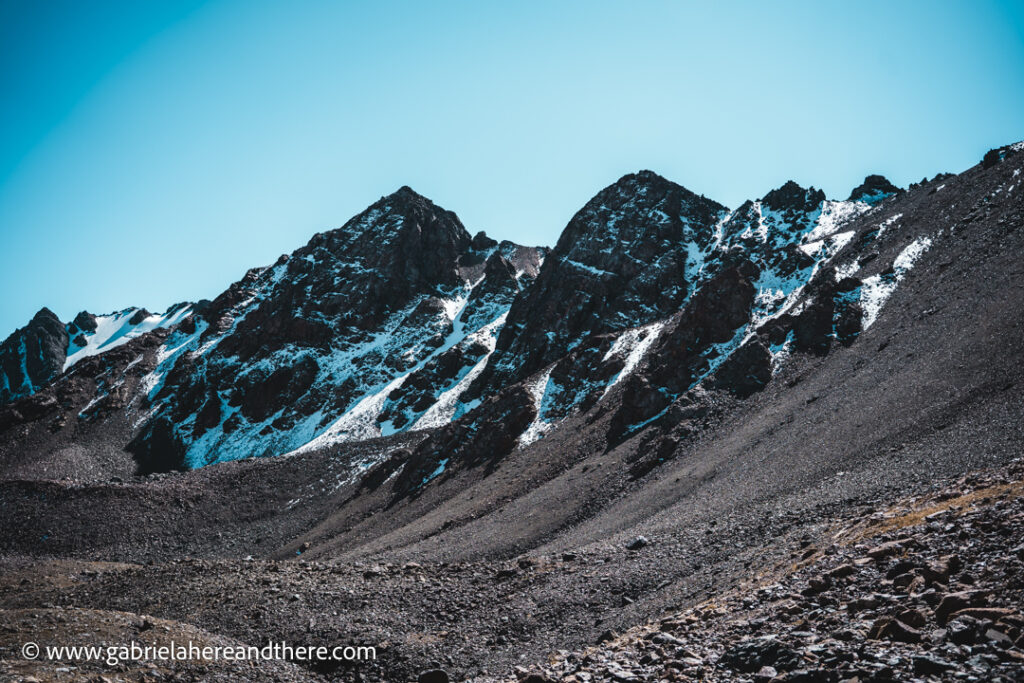
That means hiking uphill almost the entire day, finishing with a steep final climb on a loose gravel and rock trail, with patches of snow near the top, before arriving at the pass and seeing the lake laid out below.
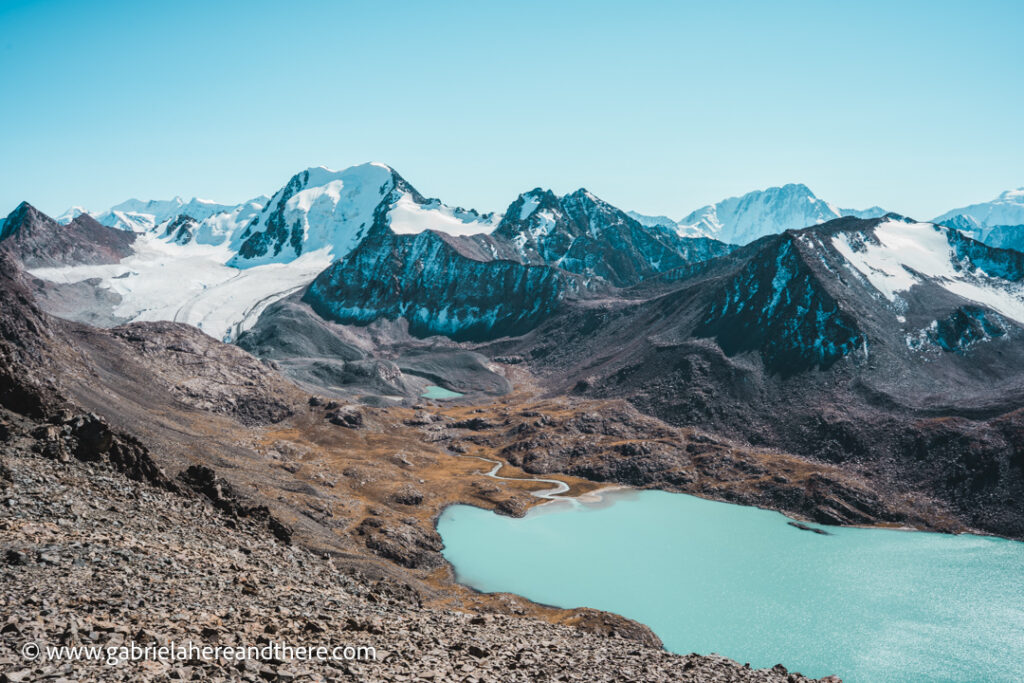
That first glimpse at 4,000 meters was worth every difficult step.
The descent is much easier since you’re going downhill the whole way. And ending the day in natural hot springs in a mountain valley made every single step worthwhile.
I hired a guide for the day, which I’d strongly recommend. You’ll also need a 4×4 vehicle to reach the trailhead, and since my guide had one, that was sorted. Weather at altitude can shift without warning, and having someone who knows the terrain takes a lot of the stress out of it. Since I hiked in late autumn, there were no other hikers around — I would have been completely on my own if anything had gone wrong.
The hike ends at the lookout point at 4,000 meters. The starting point at Altyn-Arashan sits at around 2,500 meters, so the elevation gain in a single day is significant. According to my phone, the round trip was around 25 km. I can’t recommend this route for people who aren’t used to hiking or aren’t reasonably fit — my guide said the same. The other direction is considerably easier, but if you’re an experienced hiker and want that hot springs reward at the end, go for it.
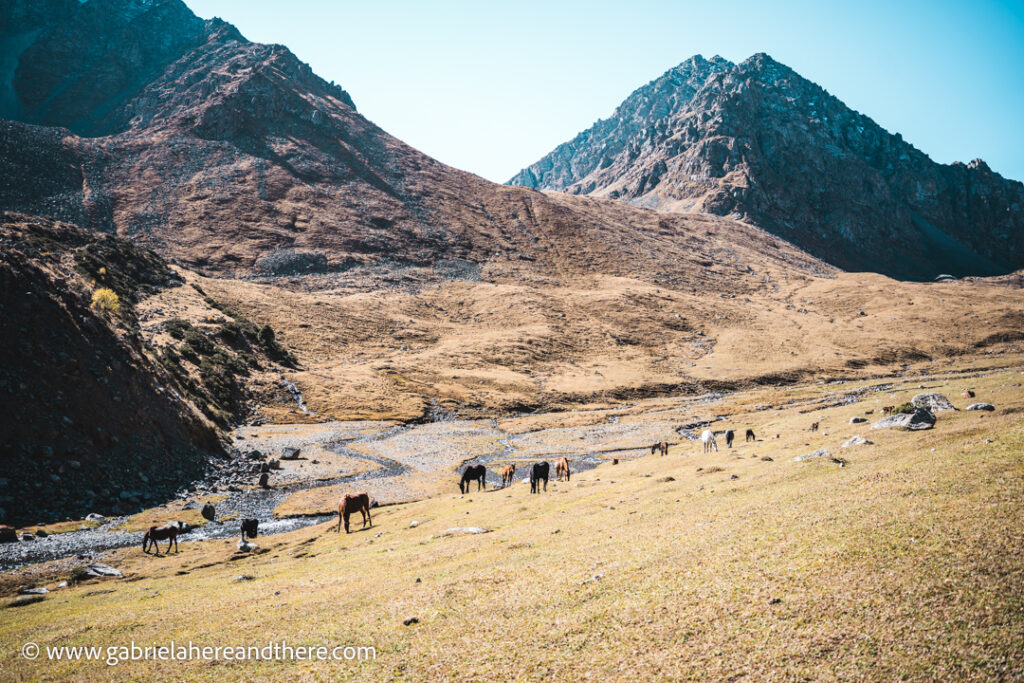
Aside from the final steep climb and a couple of river crossings, the trail itself wasn’t technically difficult. What made it challenging for me personally was the altitude — I hadn’t had much time to acclimatize, so I felt a lot slower than usual. That said, I didn’t experience any altitude sickness symptoms beyond that.
Altyn-Arashan Hot Springs
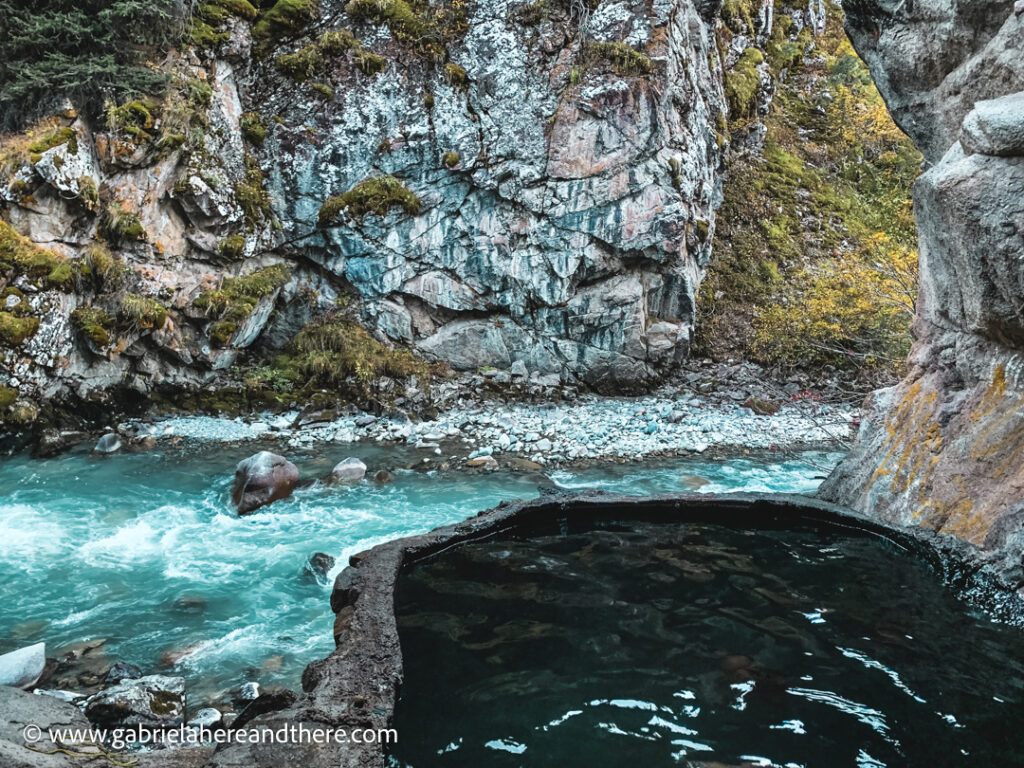
This is the reward at the end of the hike. The springs sit in a quiet valley, and the natural hot springs themselves are inside caves. There’s a paid facility right next door, but I went with the free, rugged option and was very happy with that choice. After nearly 10 hours of hiking, slipping into the hot water was genuinely one of the best feelings I’ve ever had on the trail.
You can also stay overnight in simple cabins if you’d rather not rush back to Karakol. And if you’re not interested in the full hike, the hot springs can be visited as a day trip on their own — or paired with shorter walks in the surrounding valley.
Places to See in Karakol Town
While in my opinion the best sights are the natural sights outside of town, there are some interesting things to do in the city as well.
Karakol Bazaar
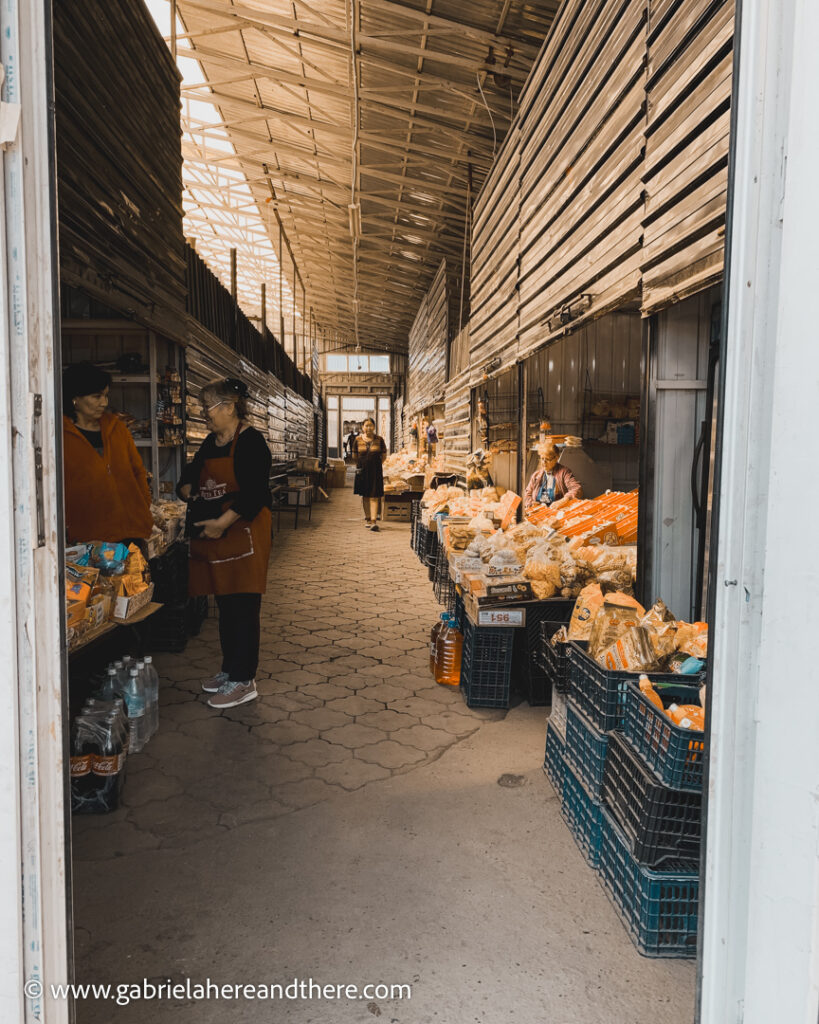
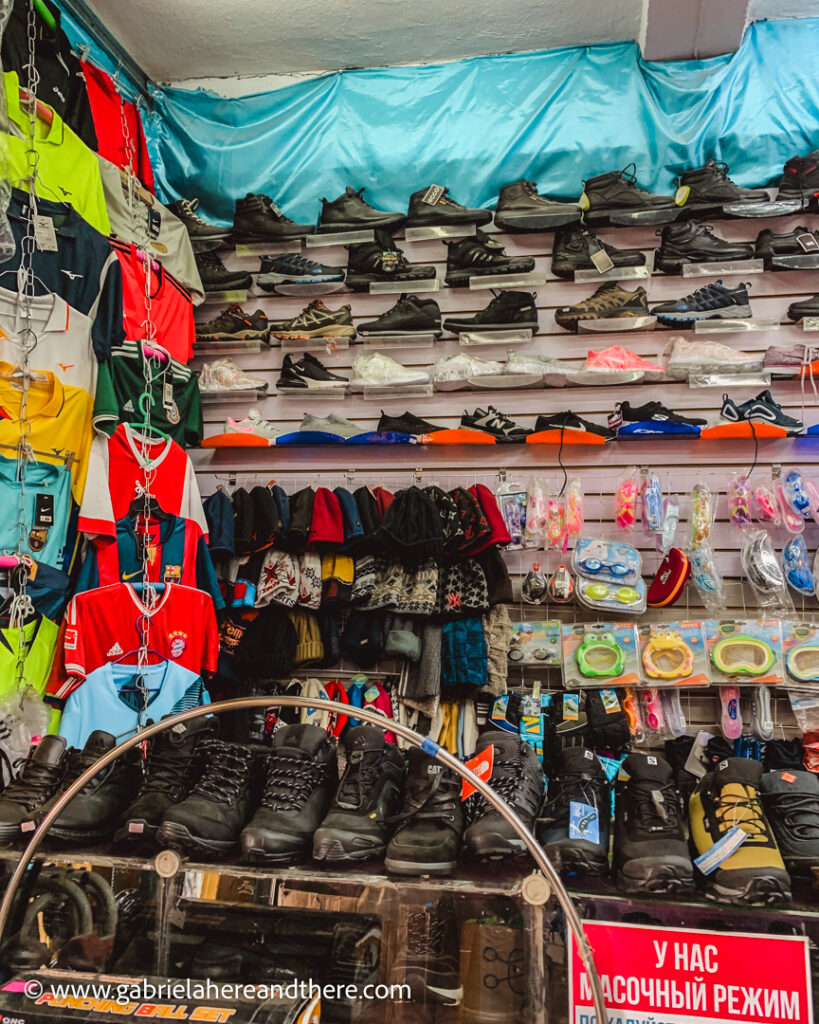
The covered bazaar runs daily and is worth a visit any day of the week — you can find everything here: produce, dried fruits, spices, household goods.
If you need outdoor gear before a hike, this is actually a great place to look. Trekking poles, base layers, waterproofs, gaiters — there’s a surprising amount available at prices far lower than anything you’d find at home. Quality varies, but for a single-trip purpose it does the job perfectly well. I picked up a warm hat and gloves here before heading into the mountains.
Dungan Mosque
One of the most distinctive buildings in Kyrgyzstan — a wooden mosque built in 1910 by the Dungan community (Chinese Muslim migrants) without a single nail. The architecture is unmistakably Chinese in style, which feels unexpected in a small Kyrgyz town. It’s free to visit and beautifully preserved.
Karakol Animal Market
If you’re in town on a Sunday, you could check out the livestock market on the edge of town. Horses, cattle, and sheep traded in a very loud, very alive, entirely untouristy way.
Where to Stay in Karakol
Karakol has options across most price points, and the general vibe leans toward small guesthouses over large hotels — family-run, breakfast included, and usually run by people who can help you sort drivers, guides, and logistics. Book ahead, especially in peak summer (July–August).
I stayed at Tagaytay Karakol Hotel and I highly recommend it, but while researching other options I came across several places worth considering too. Here are some recommendations for all budgets:
Budget: Karakol has a solid backpacker scene with several well-regarded hostels and simple guesthouses in the $10–20/night range. Shared dorms or basic private rooms, often with home-cooked breakfasts included.
Budget · Guesthouse
Evergreen Guesthouse
Evergreen Guesthouse is a charming family-run guesthouse with a lovely garden, homemade breakfast included — it has a great value for the price. The host is an artist who also spent years working as a guide across Central Asia, so she’s a great resource for trip planning.
Budget · Hostel
The Nest Hostel
The Nest Hostel is a family-run hostel with dorm beds from around $8, free WiFi, a shared kitchen, and breakfast available. Clean, simple, and does exactly what a budget hostel should.
Mid-range: This is where most travelers land, and there are several comfortable guesthouses and small hotels in the $30–60 range. I stayed at Tagaytay Karakol, a family-run hotel that was a great choice — comfortable, well-located, and the owners were very welcoming and helpful with arranging day trips.
Mid-range · My pick ★
Tagaytay Karakol Hotel
This is where I stayed and I’d recommend it. A family-run hotel with a good location, comfortable rooms, and friendly owners who are happy to help you arrange drivers and day trips.
Mid-range · Luxury yurt
Ethnochill Karakol Yurt Camping
This is a great option if you want a more unique stay — beautifully decorated private yurts with their own bathrooms, a garden, and breakfast included. If you want a yurt experience but with a bit more luxury, this is it.
Higher-end: Karakol doesn’t have large international luxury chains, and honestly I think that’s part of the charm. But there are some excellent, top-reviewed options that offer real comfort — here are a couple worth considering.
Higher-end · B&B
Hillside Karakol B&B
This is a highly rated B&B run by welcoming hosts. Clean, comfortable rooms, a great homemade breakfast, and a peaceful garden. Consistently one of the top-reviewed places to stay in Karakol.
Higher-end · Chalet
Chalet Karakol
This is for those who want something special — a mountain chalet with panoramic views, an infrared sauna, and a fully equipped kitchen. Reviewers describe it as Alps-level quality in Kyrgyzstan. Note that you’ll need a car to get here and should bring your own food — it’s remote, located in the heart of the mountains.
Where to Eat in Karakol (Including Vegan Options)
Kyrgyz food is built on meat and dairy, so plant-based eating takes some hunting. It’s absolutely doable, especially for a few days — you just need to know where to look.
Karakol Lighthouse
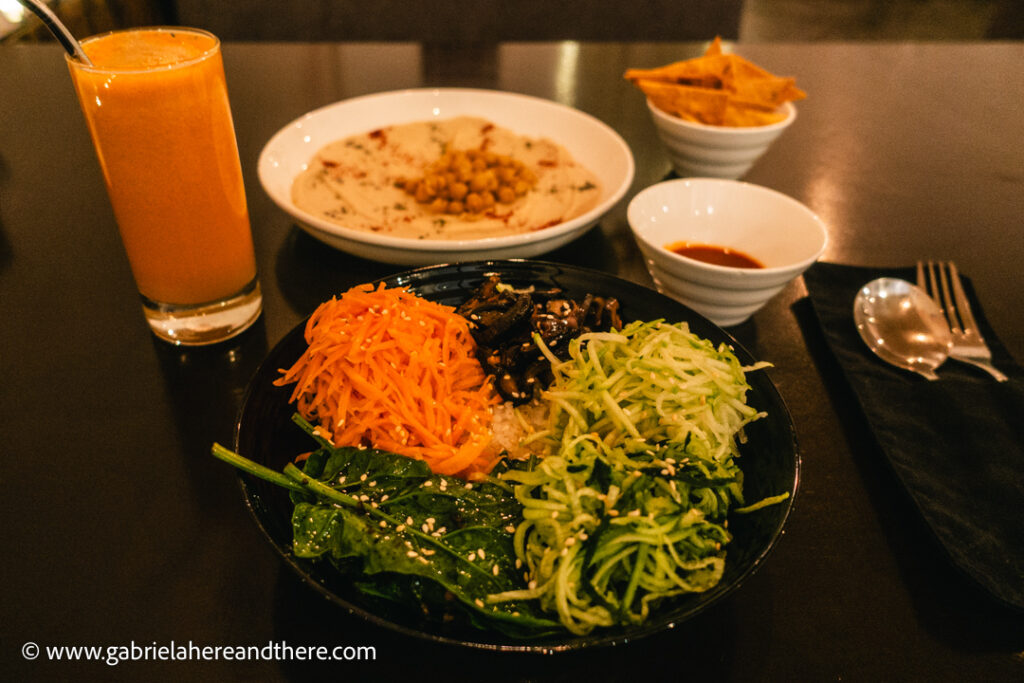
Karakol Lighthouse had plant-based options on the menu and is a good spot for a relaxed meal. It caters to the traveler crowd, so the staff are familiar with dietary requests and won’t look at you like you’ve said something strange if you ask for options without meat, eggs, and dairy.
KAYNAR Cafe
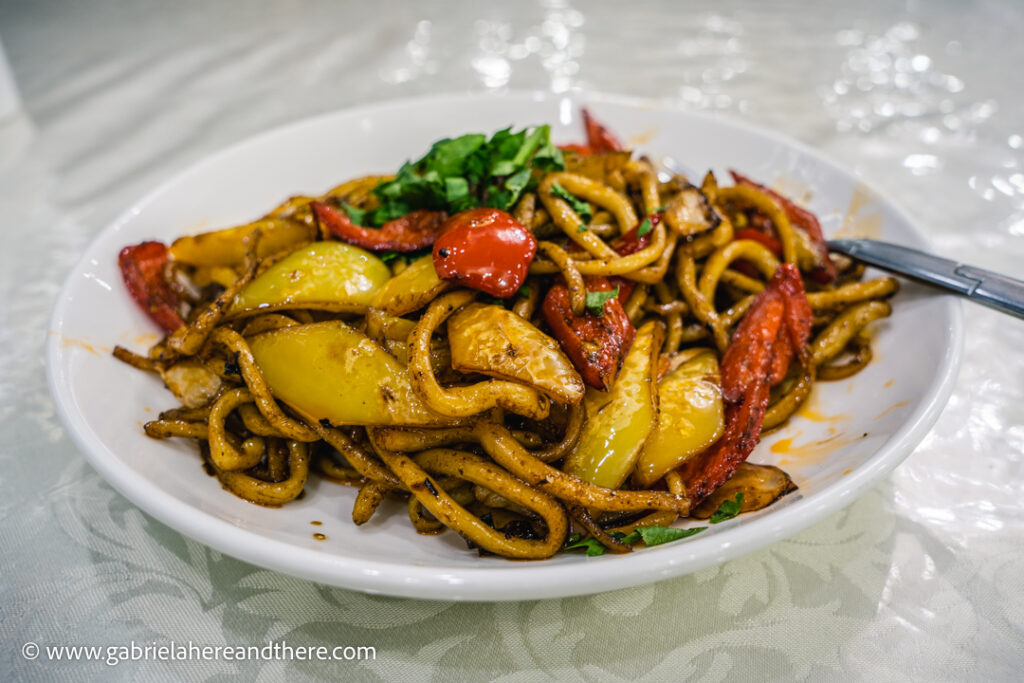
KAYNAR Cafe also had some vegan-friendly options — a more local feel and accommodating staff.
Beyond those two, the bazaar is your friend. Fresh produce, dried fruits, nuts, and bread are all easy to find, and self-catering for some meals is a perfectly reasonable strategy. Supermarkets also have some vegan options such as plant-based milks.
Q&A
How many days do I need in Karakol?
Three to five days is ideal — enough time for the south shore day trip, and some hikes. If you’re planning to do the full multi-day Ala-Kul loop rather than the day hike, add another two to three days on top of that.
What’s the best time of year to visit Karakol?
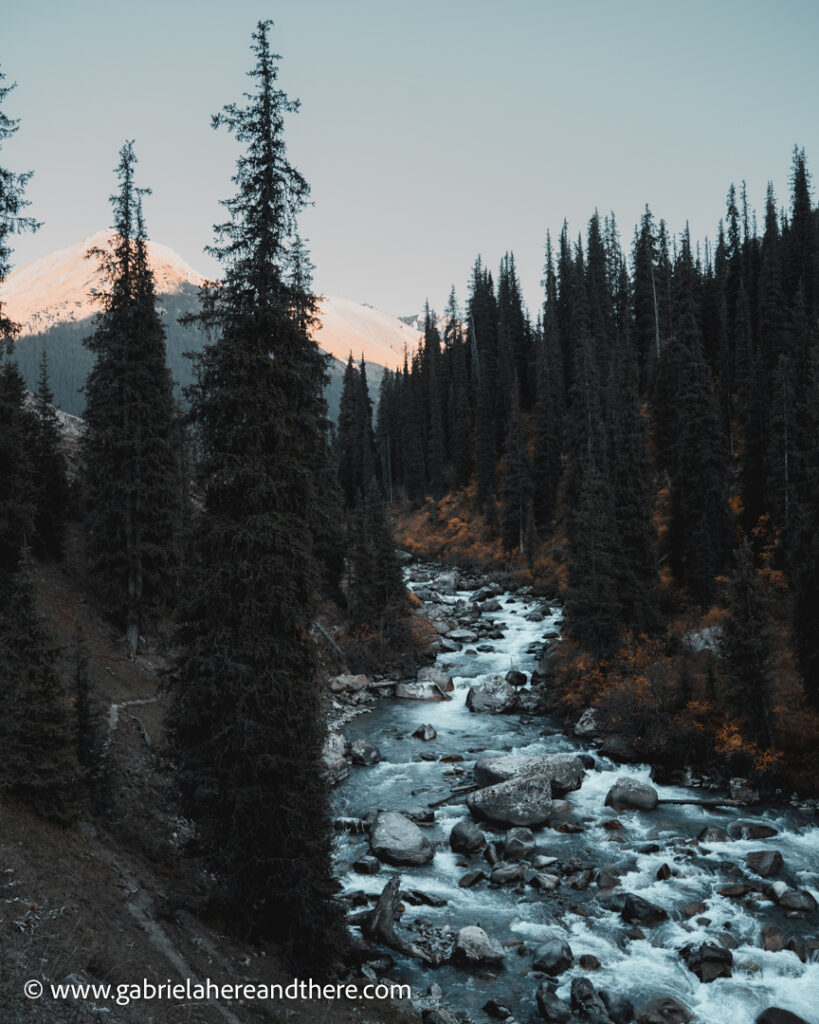
June through September is peak season, and for good reason — the weather is stable, the trails are open, and the lake is warm enough to swim in during the summer months. July and August are the busiest months. I visited in late autumn and found it beautiful, quieter, and more atmospheric, though some trails were already snow-covered. Winter is cold and limiting, but Karakol also has a small ski resort if that’s your thing.
Do I need a guide for the Ala-Kul hike?
For the standard multi-day loop, many experienced hikers do it independently. For the day hike from Altyn-Arashan, I’d strongly recommend hiring a guide — you’ll need a 4×4 to reach the trailhead anyway, and the elevation gain is serious. It’s not a route to underestimate.
Is Karakol safe for solo female travelers?
Yes. Karakol is a small, fairly conservative town and I found it very relaxed and welcoming. As always, use common sense, let someone know your plans before heading into the mountains, and hire a guide for any serious hikes. The guesthouse community is tight-knit and staff are generally very helpful if you have any concerns. I felt safe all the time as a solo female traveler.
Are there vegan options in Karakol?
Yes, there are, but you might have to specifically search for them. Kyrgyz cuisine is heavily meat and dairy-based, so restaurant options are limited — I’ve listed the best bets above. The bazaar is your best friend for self-catering and larger supermarkets also have some vegan items such as plant-based milks, and most guesthouses can accommodate dietary requests if you mention them in advance.
Do I need cash in Karakol?
Yes. Many drivers, guides, guesthouses, and market vendors are cash-only. There are ATMs in Karakol.
Is altitude sickness a concern?
Karakol town itself sits at around 1,700 meters, which most people handle without issue. The problem comes if you jump straight into a strenuous hike — the Ala-Kul Pass hits nearly 4,000 meters. Give yourself at least a day to settle in before doing anything demanding, stay well hydrated, and take the ascent slowly. If you feel unwell at altitude, descend — that’s always the right call.
Final Notes
Karakol should not be missed in your Kyrgyzstan itinerary. It’s the heart of adventure travel in the country and a must for anyone who loves the outdoors — I witnessed some of the most beautiful landscapes in Kyrgyzstan here and I would go back in a heartbeat.
🌍 Visiting Every Country — Support My Work
I’m visiting every country in the world, and my travels are entirely self-funded. I focus on unusual, off-the-beaten-path destinations that don’t always get much coverage — which is exactly why I create detailed guides like this.
If you found this post helpful, buying me a coffee is a simple way to support my work and helps me keep creating in-depth travel guides to less-visited places. Thank you for your support ❤️
Liked it? Pin it or share it!