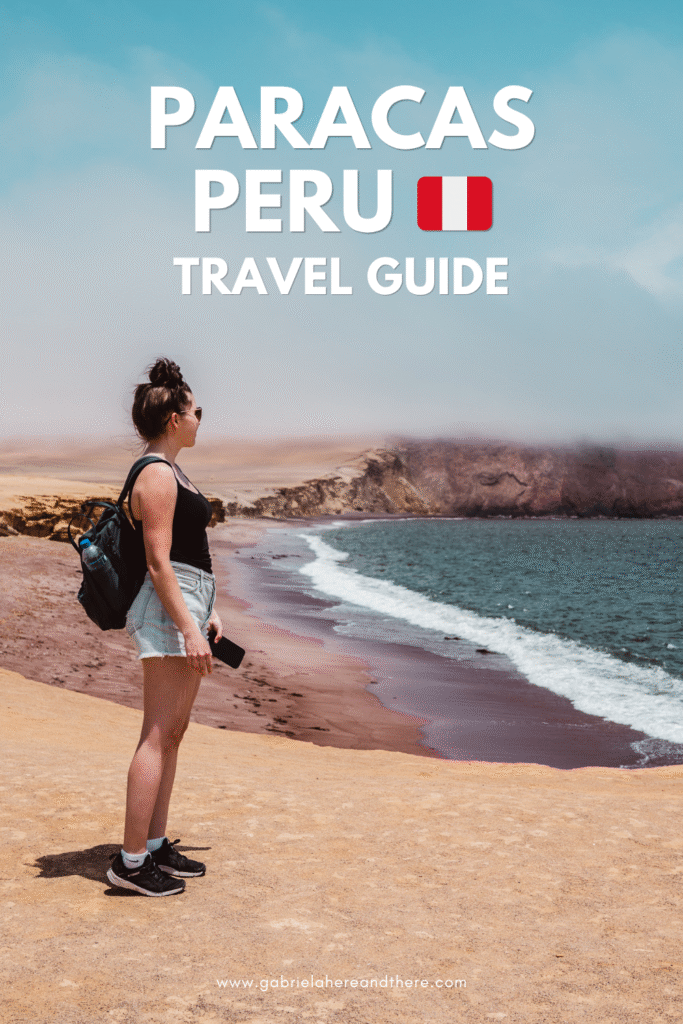
Paracas, Peru is one of those places that many travelers pass through quickly — often visiting as a day trip or staying just one night before continuing on. And while it had been my original plan to stay only for a couple of days too before continuing to travel through Peru, my plans quickly changed as I made it to Paracas and nationwide protests started across the country, blocking all of the main roads.
I had planned to travel overland from Lima to Cusco and then continue to Bolivia — but those plans quickly fell apart when transportation stopped completely. What was supposed to be a short two-day stopover in Paracas turned out to be a week-long remote work base for me. And after spending a week stuck in this small, sleepy, beachside town and trying out literally every single restaurant in town, I wanted to put together this Paracas travel guide.
At first I was worried about being stuck in such a small town. But very quickly I realized that Paracas is actually the perfect place to slow down — and there’s more to do here than it might seem at first — honestly, Paracas is one of the most underrated destinations in Peru. You can take a boat tour to the Ballestas Islands, explore the Paracas National Reserve, relax by the ocean, or simply enjoy the laid-back atmosphere.
Paracas is a quiet, small beachside town with ocean views, a relaxed vibe, and just enough happening to keep things interesting — without feeling overwhelming. By the end of the week, I didn’t want to leave.
🇵🇪 Planning a trip to Paracas and short on time?
🐧 Best Tours & Experiences in Paracas
Ballestas Islands + Paracas National Reserve (Full Day)
The best value tour in Paracas — boat trip to the Ballestas Islands in the morning and a guided visit to the National Reserve in the afternoon. Includes the Candelabra geoglyph.
Ballestas Islands Boat Tour
The classic Paracas experience — sea lions, penguins, and massive colonies of seabirds. Go early for calmer seas and better light.
Paracas & Huacachina Oasis Full-Day Tour from Lima
Perfect if you’re based in Lima — covers both Paracas and the Huacachina sand dunes in one full day with a guide and transport included.
🏨 Where to Stay in Paracas (Quick Picks)
- My pick (remote work): Betania — quiet, central, great WiFi, kind owners
- Budget & social: Viajero Paracas Hostel — pool, beach access, lively atmosphere
- Beachfront: La Hacienda Bahia Paracas — pool, sea views, great value
- Luxury: Hotel Paracas — Luxury Collection — private beach, two pools, spa
📶 Get an eSIM for Peru before arrival
✈️ Search flights to Lima
🚌 Book your bus from Lima to Paracas
🚗 Compare car rentals in Peru
🛡️ Get travel insurance for Peru (SafetyWing)
It’s also a surprisingly great beach destination in Peru, especially if you’re coming from Lima. After spending time in Lima’s often gray, gloomy, and cool coastal weather, arriving in Paracas felt completely different — warmer, sunnier, and much more relaxed.
Because of its proximity, Paracas also works really well as a weekend trip from Lima. In just a few hours, you can go from city life to ocean views, desert landscapes, and a slower pace of travel.
Table of Contents
Why Travel to Paracas, Peru?
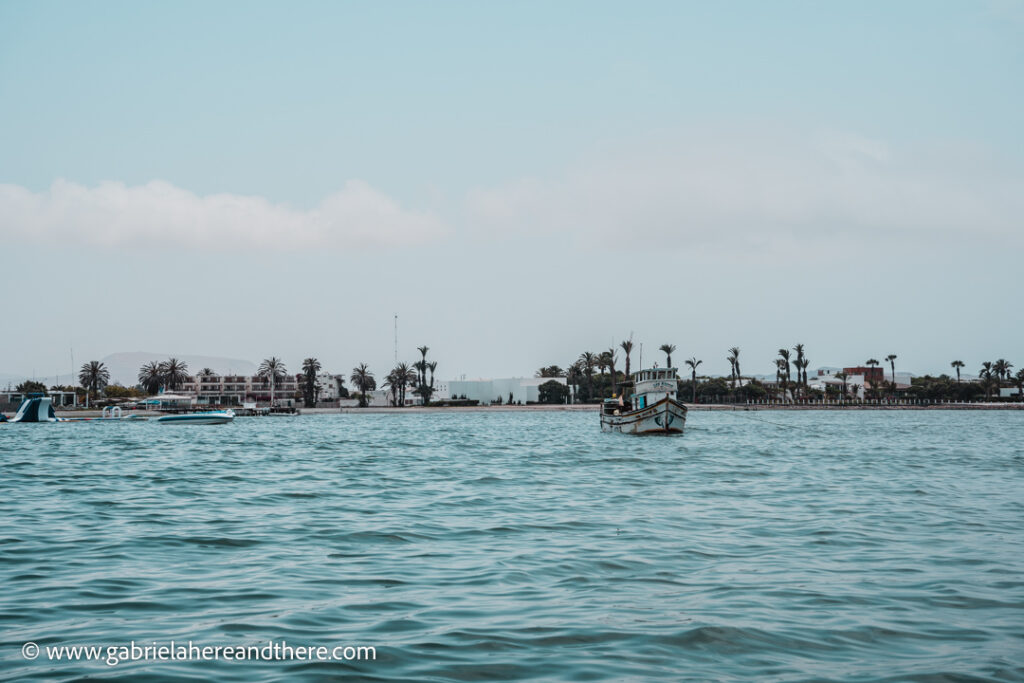
Paracas is a small fishing and tourist town on Peru’s southern coast, roughly 260 kilometers south of Lima in the Ica Region. The name comes from the Quechua word for “sand falling like rain” — a reference to the fierce winds that tear across the peninsula, and it can definitely be windy — I noticed this on the boat trip to the Ballestas Islands and when visiting the Paracas National Reserve. It’s not a very glamorous town, and the main strip is a bit dusty, making it feel a little rough around the edges.
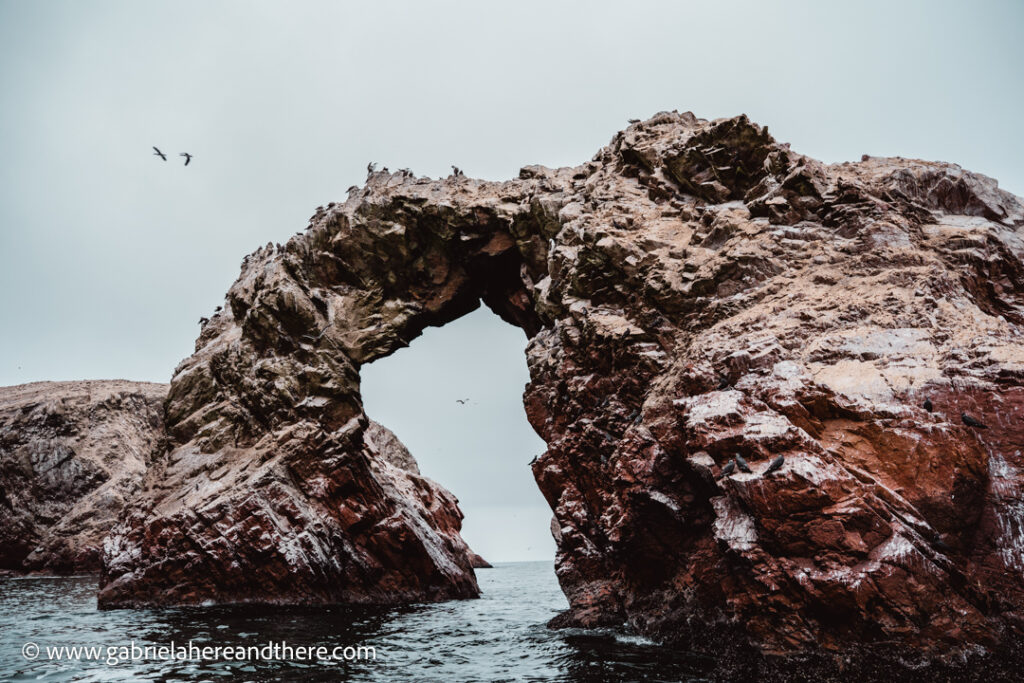
But the landscape does all the heavy lifting. Paracas sits at the gateway to the Paracas National Reserve, a vast protected area spanning over 3,350 square kilometers of coastal desert and ocean. It is also the launching point for boat trips to the Islas Ballestas — also known as the “Poor Man’s Galápagos” — and I can totally see why! Here you can spot sea lions, penguins, and enormous colonies of seabirds — in numbers that feel almost unreal. The ocean views, desert cliffs, and the kind of quiet that’s increasingly hard to find on the South American traveler circuit make it a genuine reset from the road.
🗺️ Quick Facts — Paracas at a Glance
LocationIca Region, southern Peru
Distance from Lima~260 km south (3–4 hrs by bus)
CurrencyPeruvian Sol (S/)
Getting thereBus from Lima
Ideal stay2–4 days recommended — day trips from Lima also possible
Best forWildlife, desert, ceviche, seaside resorts
ATMsAvailable in town
WiFiDecent in most hotels and hostels — get an eSIM for backup
Where to Stay in Paracas, Peru
Paracas has accommodation options across every budget, from backpacker dorms to a genuine five-star resort. Given the town’s small size, everything is fairly central and walkable from the waterfront.
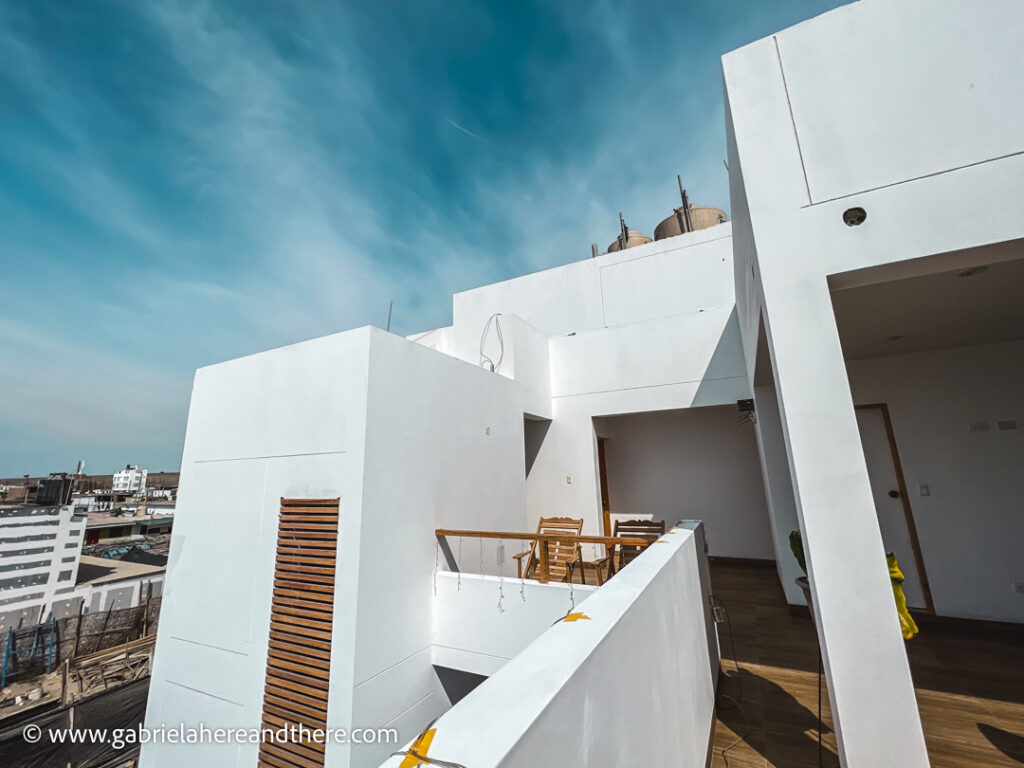
I stayed at Betania, and I couldn’t have picked a better place — especially for the accidental week it became. The location was perfect: just a short walk from the main street and waterfront, but far enough away to be completely quiet at night. The owners were incredibly kind and helpful, and my room had a small table where I could work comfortably, which made it ideal for the remote work days I ended up having. If you’re a digital nomad or thinking about using Paracas as a base, I’d recommend it specifically.
Mid-range · My pick ★
Betania
Perfect for longer stays and remote work. Quiet location, incredibly kind owners, comfortable rooms with a working desk. My home for a week — highly recommended.
Budget · Hostel
Viajero Paracas Hostel
The social hub of backpacker Paracas. Pool, beach access, dorms and private rooms. Great for meeting people — but it can get noisy if you’re looking for a quieter stay.
Luxury · Beachfront
La Hacienda Bahia Paracas
Beautiful beachfront stay with a pool and great views. One of the best mid-range beachside options in the area — feels more upscale than the price suggests.
Luxury · Resort
Hotel Paracas — Luxury Collection
The best in the area. Two pools, spa, multiple restaurants, private beach, kayaks, and paddleboards. I visited their property and it’s beautiful!
For hostels, I recommend Ravenala Paracas Hostel & Apartment and Viajero Paracas Hostel. Viajero is the more social option — think parties, events, a swimming pool, and a location right on the beach. Ravenala is a quieter choice with a nice rooftop terrace and reasonably priced private rooms, making it a good pick if you want reasonable prices without the noise.
For digital nomads who need a desk and reliable WiFi, I’d go with Betania, Paracas Guest House, or — if your budget stretches — Atoq Paracas Reserva, which also has a pool and sea views.
For a luxury stay, these resorts have pools and sea views. Hotel Paracas is the most central option, almost right in the heart of town. La Hacienda Bahia Paracas and The Legend Paracas Resort, a Destination by Hyatt, are slightly further from the center but both sit right on the seafront.
💻 Digital nomad tip: If you’re planning a longer stay, choose somewhere outside the busiest area for quiet nights and confirm WiFi speed before booking. Betania worked perfectly for me for remote work.
The Best Things to Do in Paracas, Peru
Even though Paracas is a small town, there’s genuinely more to do here than most people expect — especially if you explore beyond the main strip.
1. Ballestas Islands Boat Tour (Must-do)
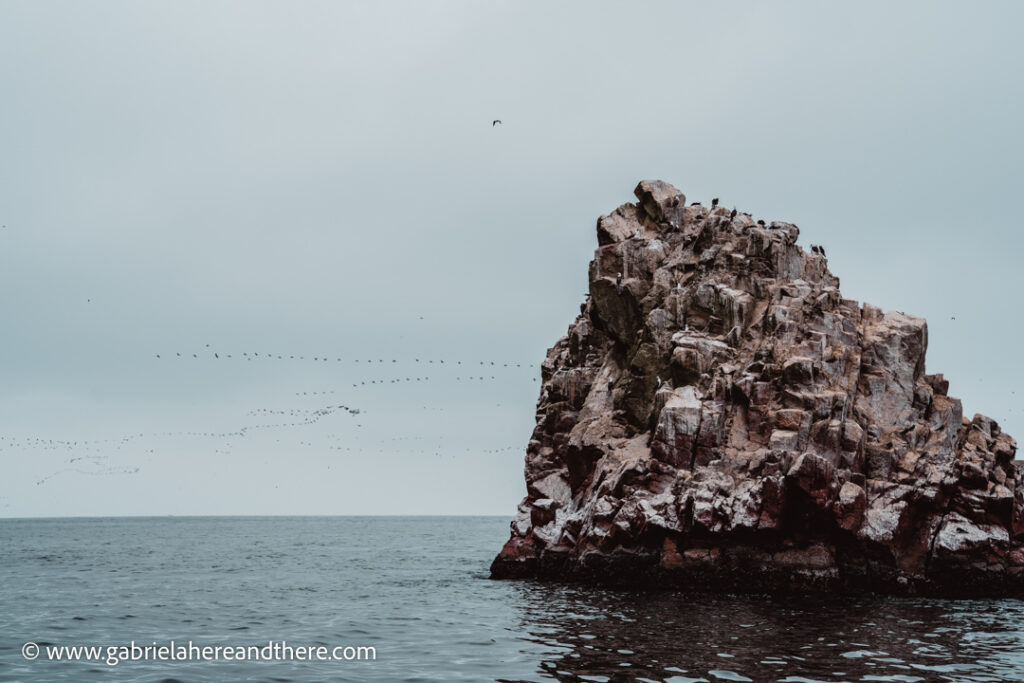
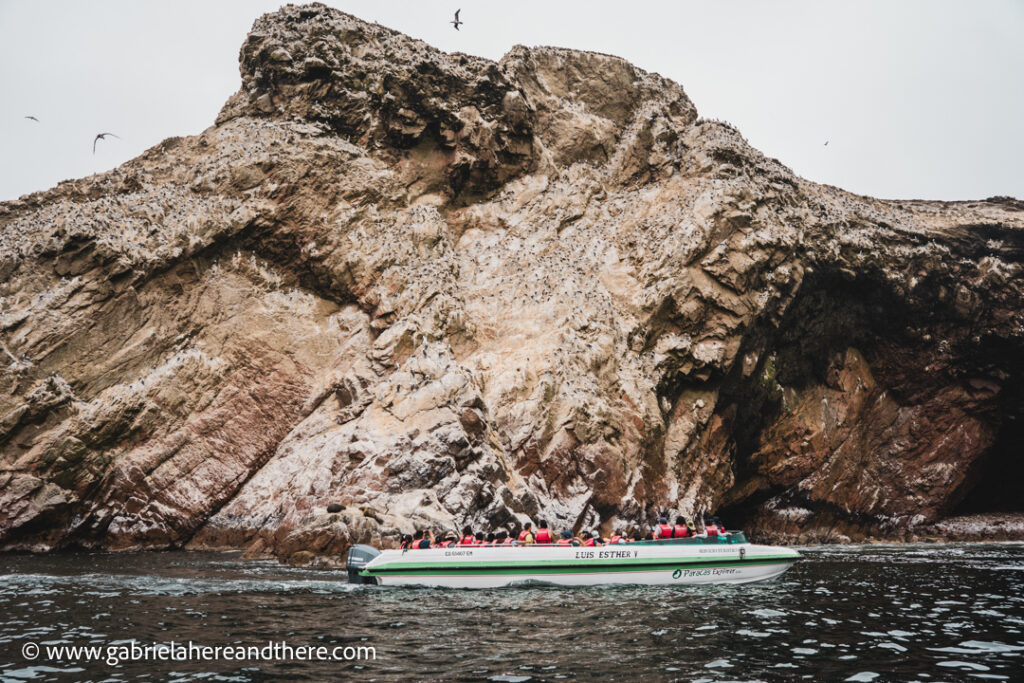
This is the most popular activity in Paracas, and for very good reason. While it’s possible to visit the Ballestas Islands as a day trip from Lima, staying in Paracas makes the experience far more relaxed and enjoyable. The Ballestas Islands are often called the “Poor Man’s Galápagos” — and having now been to a few wildlife destinations across South America, I’d say the nickname is well earned.
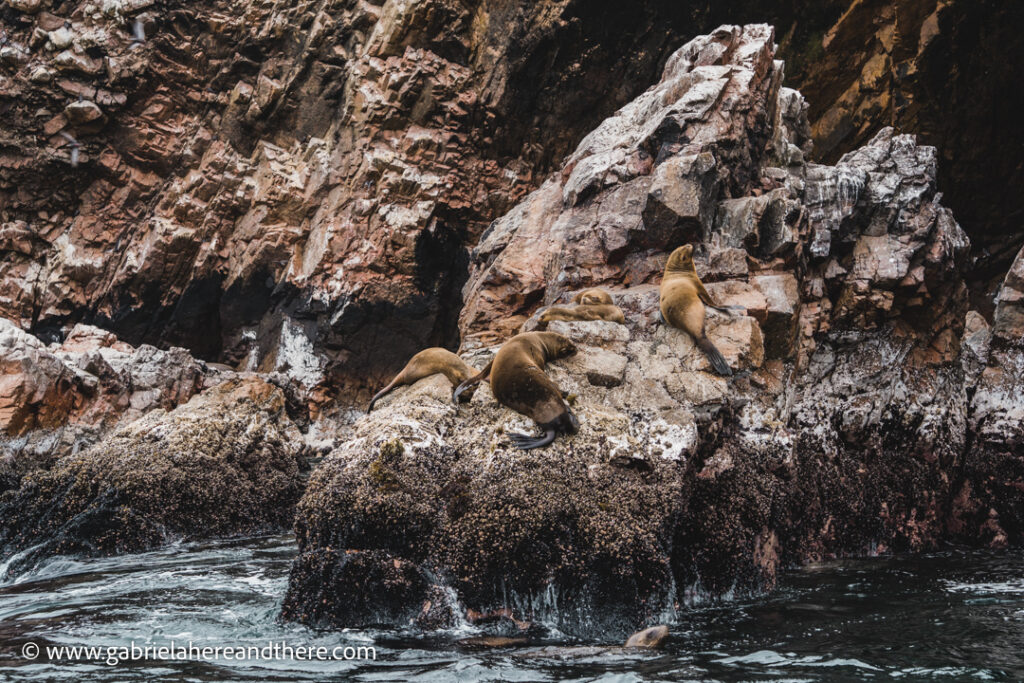
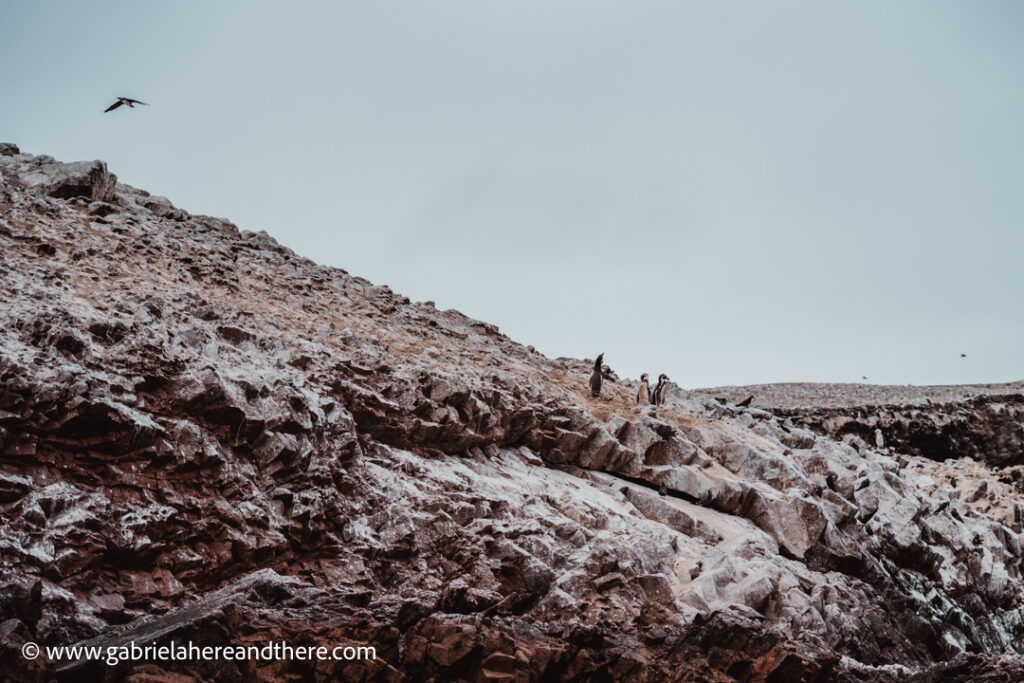
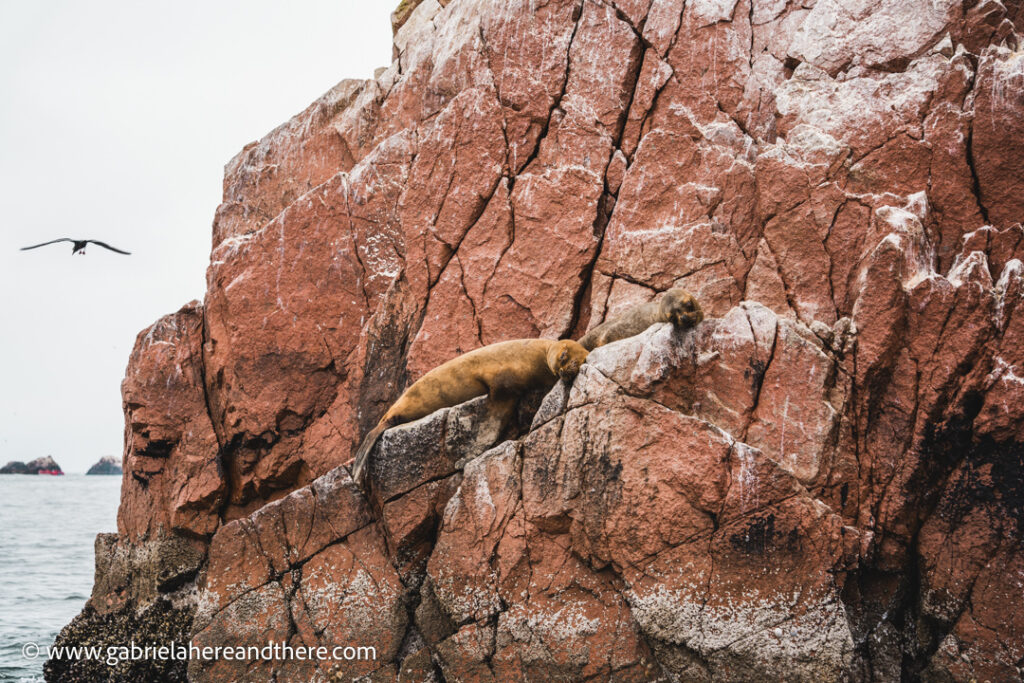
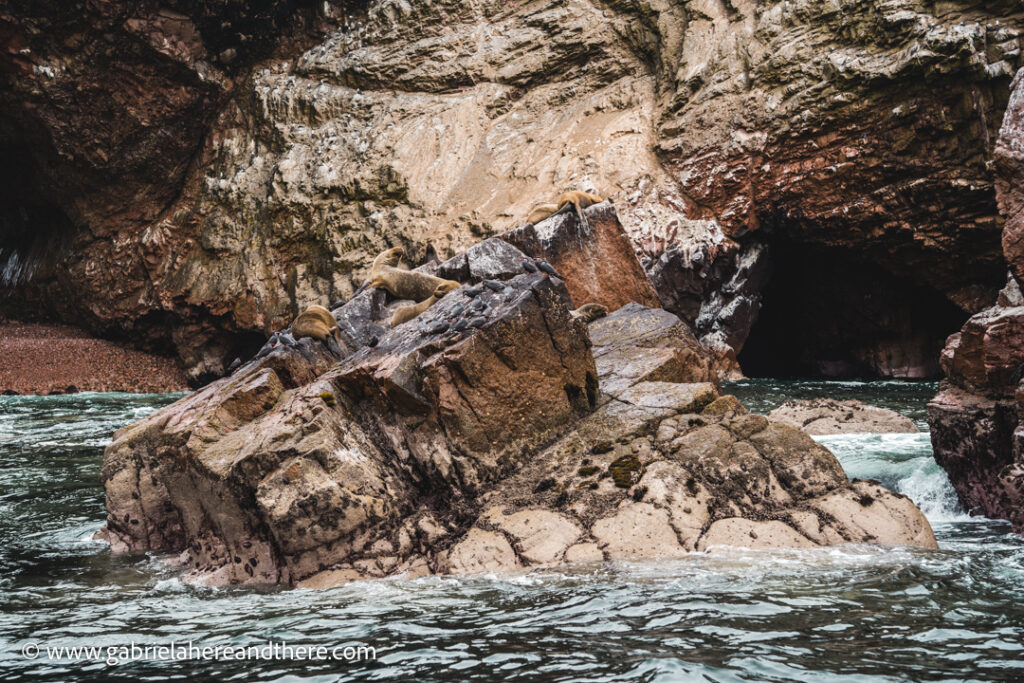
During the boat tour we saw enormous colonies of sea lions sprawled across rocks in the morning sun, penguins waddling between the rocks, and massive numbers of seabirds. We also spotted dolphins along the way.
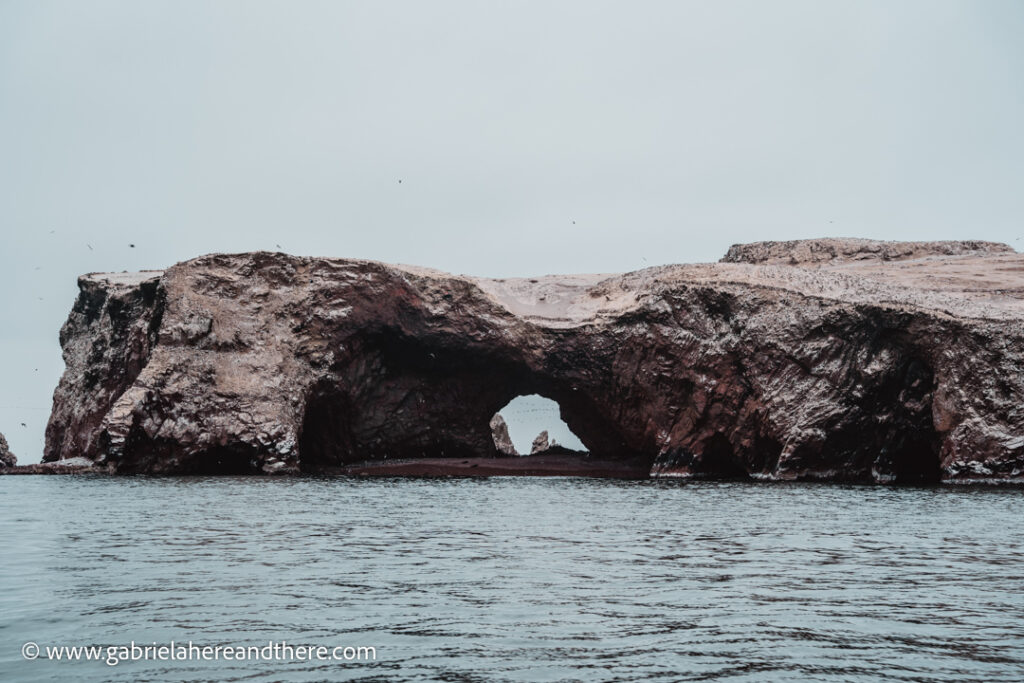
We passed by the guanera islands too, where guano (bird droppings) is collected and exported as fertilizer — a practice that has been a significant part of Peru’s economy for centuries. Seeing it in person with hundreds of thousands of birds coating every surface is genuinely fascinating.
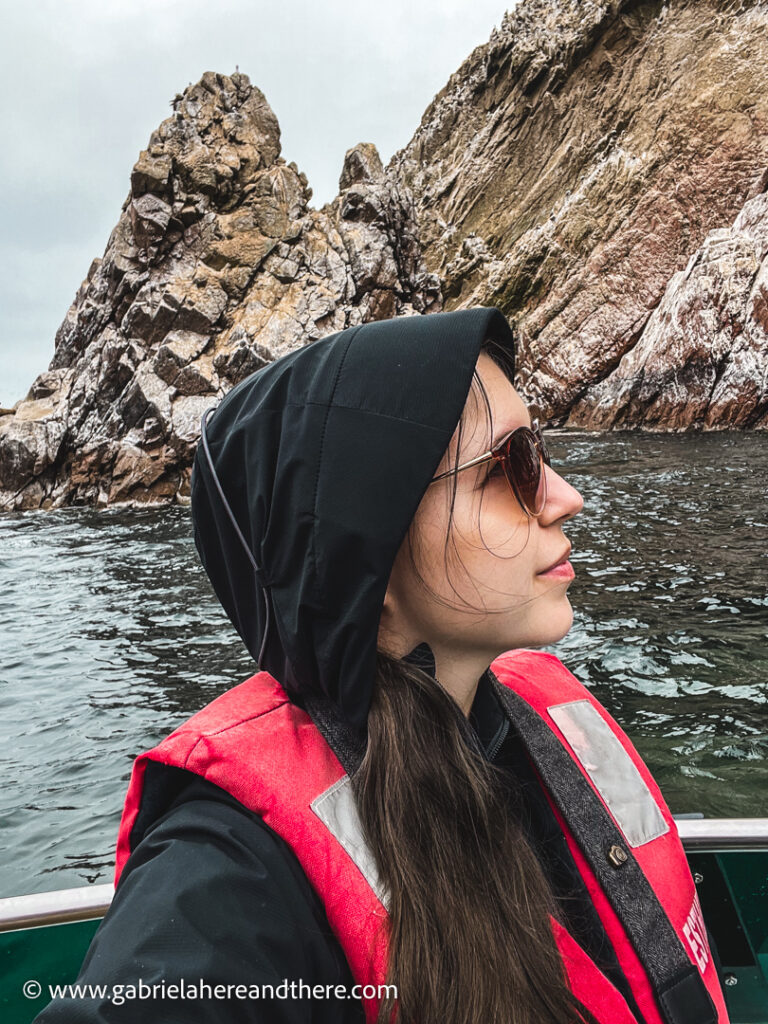
One thing nobody warned me about: there are birds flying directly above you for the entire tour. Wear a hat or bring a jacket with a hood to protect you from the bird droppings. The wind on the water also feels significantly colder than on shore, even on a sunny day, so layers are essential regardless of how warm it feels when you set off.
Boats depart from the Paracas dock every day at 8:00 am, 9:00 am, 10:00 am, and 11:00 am. The tour lasts about 90 minutes to two hours. Go early — the ocean is calmer, the light is better for photography, and if you’re staying overnight in Paracas you’ll beat the day tours coming in from Lima.
🐧 Book Your Ballestas Islands Tour
Most popular
Ballestas Islands + Nature Reserve
The best value option — combines the Ballestas Islands boat tour and a guided visit to the Paracas National Reserve in one full day.
From $20–$30 USD per person
Boat tour only
Ballestas Islands Boat Tour
Just the Ballestas Islands boat tour — perfect if you’re planning to explore the National Reserve separately or on a different day.
From $15–$20 USD per person
2. The Candelabra Geoglyph
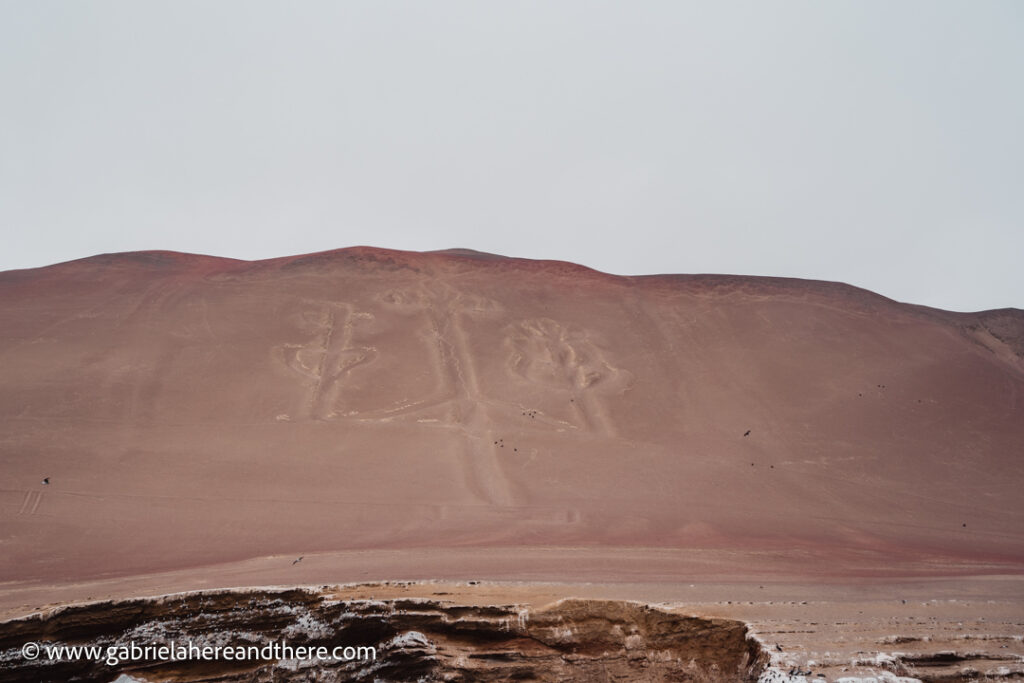
On the outbound journey to the Ballestas Islands, your boat passes the northern face of the Paracas Peninsula and you’ll see it: a massive three-branched figure etched into the hillside, facing directly out to sea. This is the Paracas Candelabra — also called the Candelabra of the Andes, or El Candelabro — and it is one of the most quietly extraordinary things I’ve encountered in South America.
The geoglyph stretches roughly 180 meters from tip to tip and is carved about 60 centimeters deep into the compacted desert hillside. It’s large enough to be visible from nearly 20 kilometers out at sea — which is part of what makes its purpose so debated, since it was clearly designed to be seen from the water. Pottery found nearby has been carbon-dated to around 200 BCE, linking it to the ancient Paracas culture, though whether they actually created it remains uncertain.
I honestly couldn’t believe what I was hearing when our guide explained how old it is — and the fact that it has survived all this time is just as remarkable. Apparently the arid climate, specialized construction techniques, and its sheltered location have all helped preserve it remarkably well over the centuries.
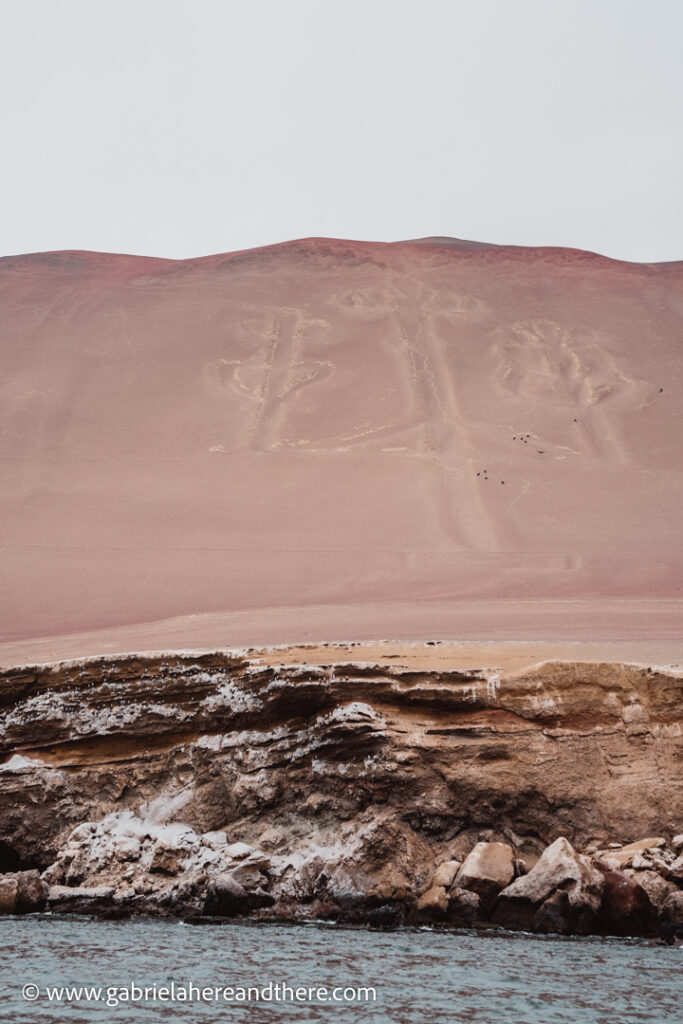
Nobody knows for sure what the geoglyph means. Theories include: a navigational marker for ancient sailors; a representation of the Inca creator god Viracocha’s lightning rod; a representation of the sacred hallucinogenic San Pedro cactus; and even, according to one Peruvian writer, a giant seismograph capable of registering seismic waves from across the planet.
Peru declared it a national heritage site in 2016, and damaging any archaeological monument carries a jail sentence of three to six years.
Book your Ballestas Islands tour: The Candelabra geoglyph is included on every boat tour — you’ll pass it on the way out to the islands. You can book the Ballestas Islands + Nature Reserve combo or the boat tour only. Prices typically run $15–$30 USD per person.
3. Explore the Paracas National Reserve
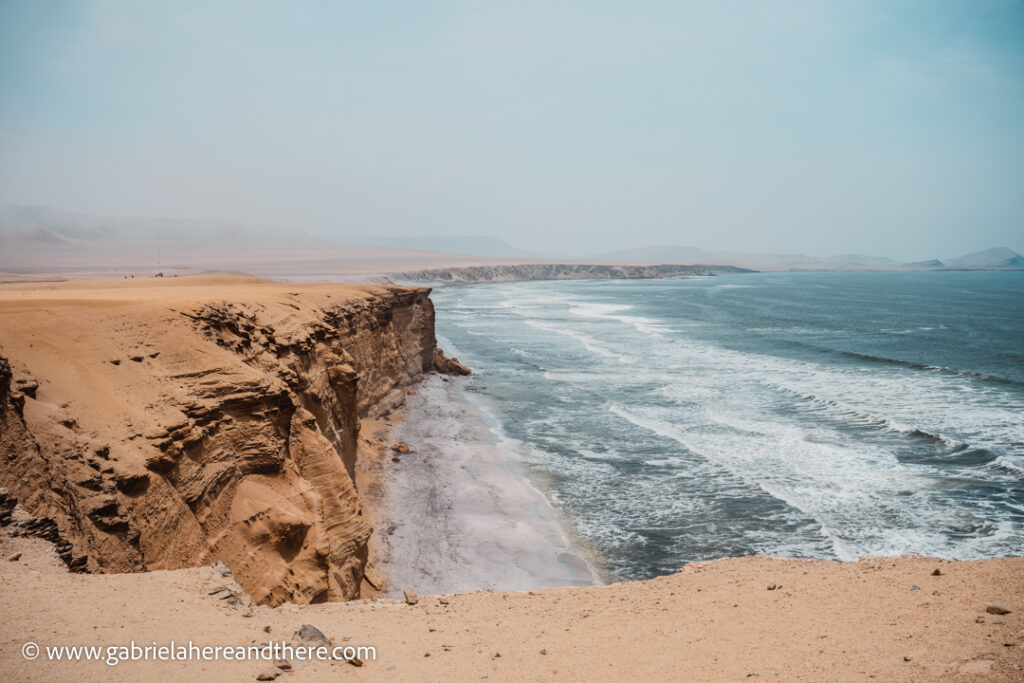
The Paracas National Reserve is one of the most beautiful coastal desert landscapes in all of Peru — and the thing most one-day visitors don’t have enough time to explore or skip it altogether. Spanning desert, coastline, and ocean, the reserve is home to over 400 species of flora and fauna. Entry costs around $5 USD.
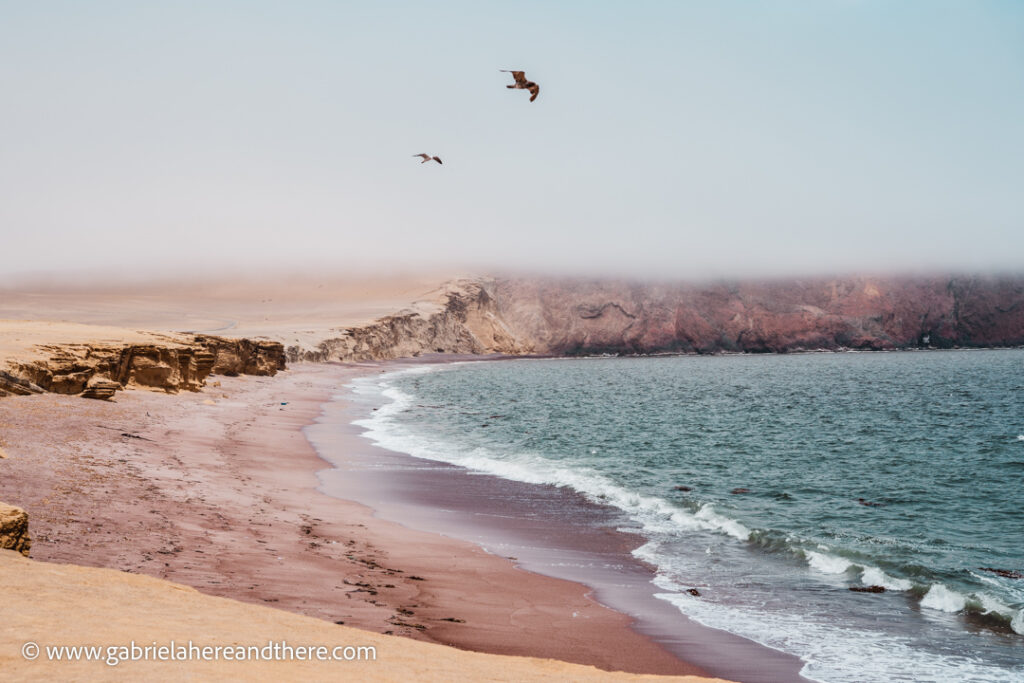
I recommend exploring the reserve on a guided tour. The highlights include:
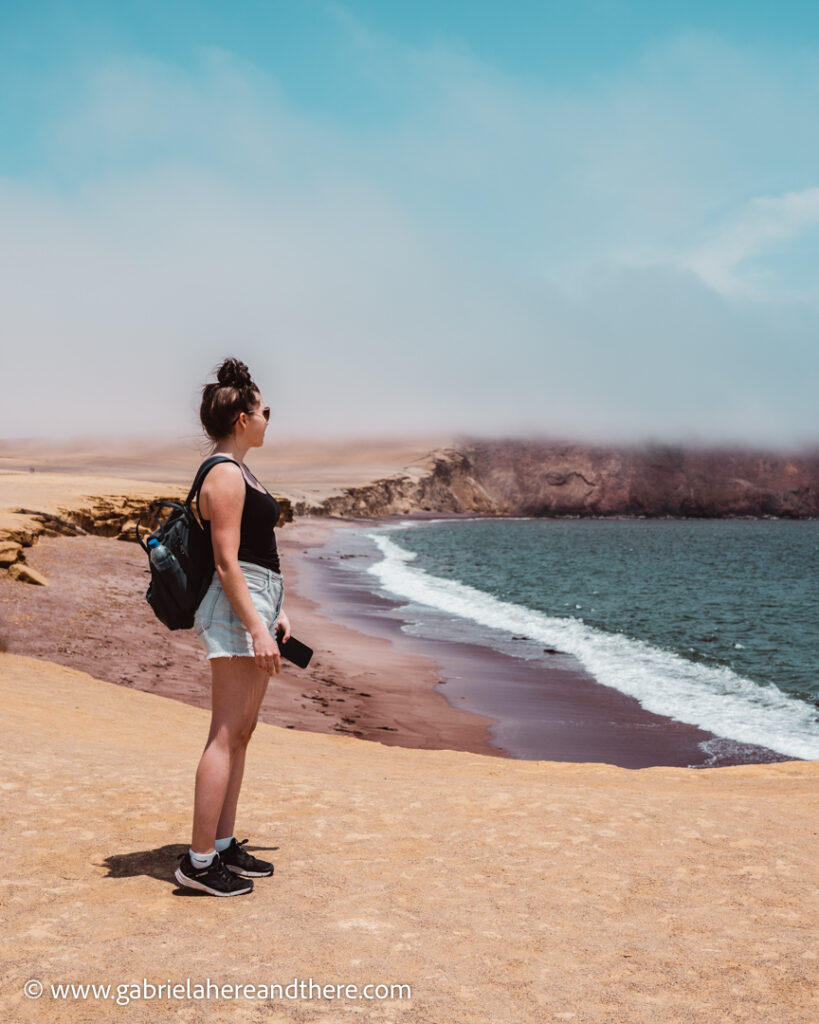
Playa Roja (Red Beach) — A striking beach of dark reddish volcanic rock set against pale desert cliffs. Swimming isn’t recommended but the photography is exceptional, especially around golden hour.
La Catedral — A dramatic sea arch carved by erosion from the cliff face. Much of it collapsed in the 2007 earthquake, but what remains is still a compelling stop.
Lagunillas — A quiet sheltered cove where you can watch the pelicans and other animals and enjoy beautiful ocean views.
Pink flamingos — Yes, they actually live here. It’s widely said that their vivid coloring inspired the red-and-white of the Peruvian flag when General San Martín landed on this peninsula in 1820. In the right season, you can spot them wading in the shallows of the bay — a genuinely surreal sight against the desert backdrop.
🏜️ Book Your Paracas National Reserve Tour
Most popular
Ballestas Islands + Nature Reserve
The best value option — combines the Ballestas Islands boat tour and a guided visit to the Paracas National Reserve in one full day.
From $20–$30 USD per person
Sunset tour
Paracas National Reserve Sunset Tour
Watch the sunset over the desert cliffs and ocean from inside the reserve — one of the most spectacular ways to experience the Paracas landscape.
Check for current prices
4. Stay at a Beachside Resort
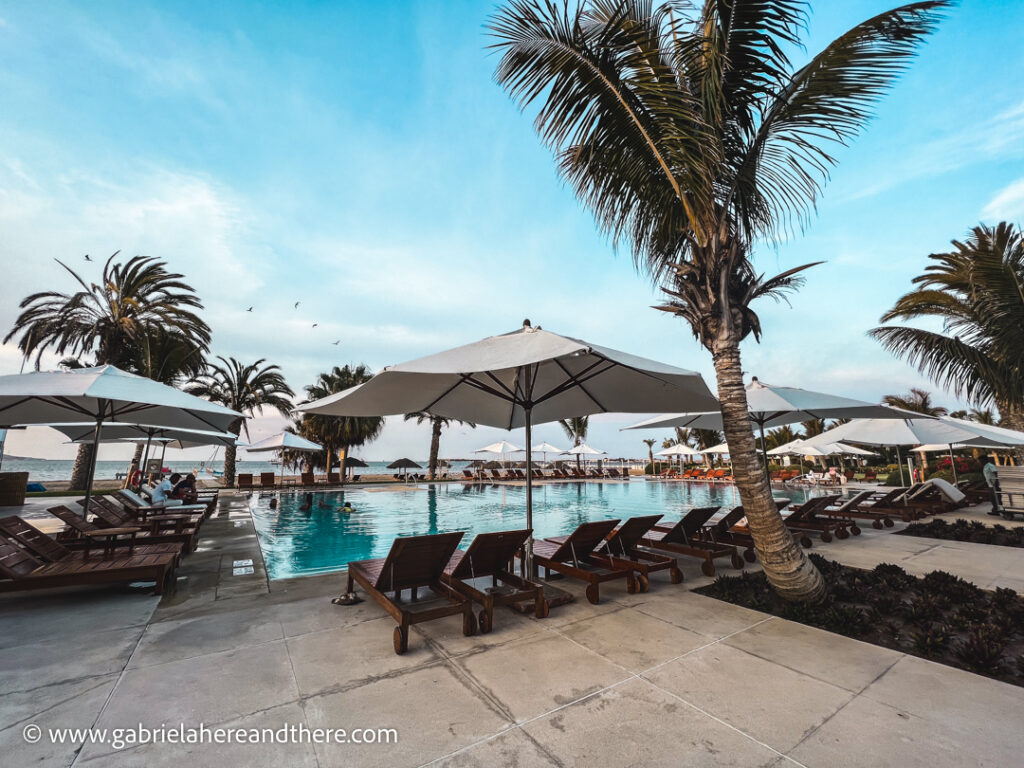
Paracas is actually one of the best beach resort destinations in Peru — something that surprises a lot of travelers who associate it only with wildlife day trips. Several upscale hotels offer pools, private beaches, and ocean views. Even if you’re not staying at a luxury resort, it’s worth knowing you can still enjoy them — a day pass, a poolside lunch, or a coffee on the terrace of Hotel Paracas looking out over the bay is a great way to spend an afternoon.
5. Evening Walks Along the Beach
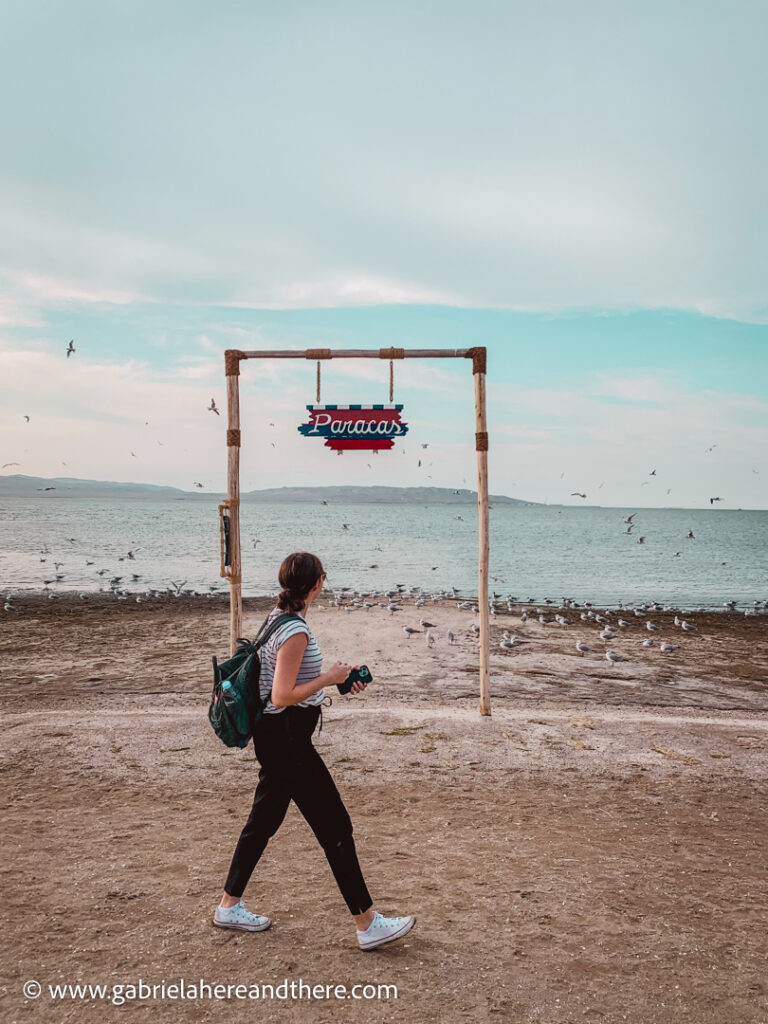
One of my favorite activities in Paracas turned out to be the simplest: walking along the waterfront in the evening and watching the sunset along the way. I loved watching the people, birds, and kitesurfers out on the water.
6. Try Kitesurfing
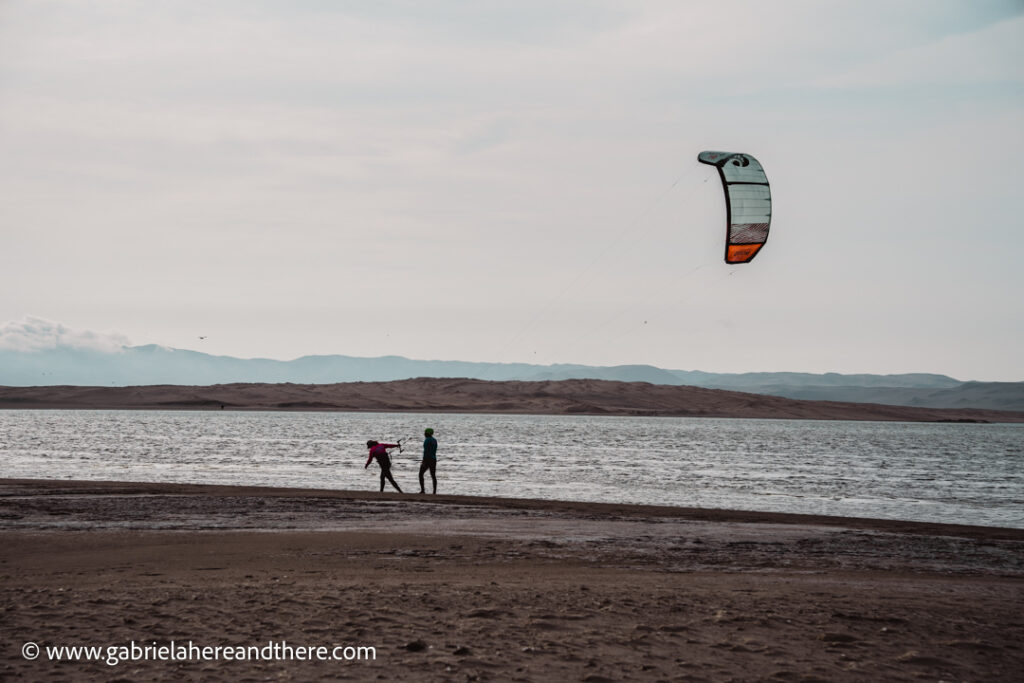
The same strong coastal winds that sweep through Paracas make it one of the best kitesurfing spots on Peru’s coast. The bay has reliable winds and relatively flat water, and several operators in town offer lessons and equipment rental. If you’ve ever wanted to try it, Paracas is a great place to learn — at reasonable prices.
7. Kayaking and Water Sports
For calmer water activity, kayaking in the bay is a peaceful way to spend a morning. Several operators along the waterfront offer rentals and guided paddles. Stand-up paddleboarding is also available.
Book kayaking online: You can book a kayaking adventure online — a peaceful way to explore the bay at your own pace while spotting wildlife and taking in the desert coastline.
8. See the Pink Lagoon
On the edge of the reserve, there’s a lagoon that in the right conditions turns a remarkable shade of pink — an effect caused by algae and brine shrimp in the water, similar to the famous pink lakes in other parts of the world. It’s not always vividly pink (conditions vary by season and time of day), but on a clear morning it’s a striking sight worth adding to your reserve itinerary.
9. Watch the Sunset
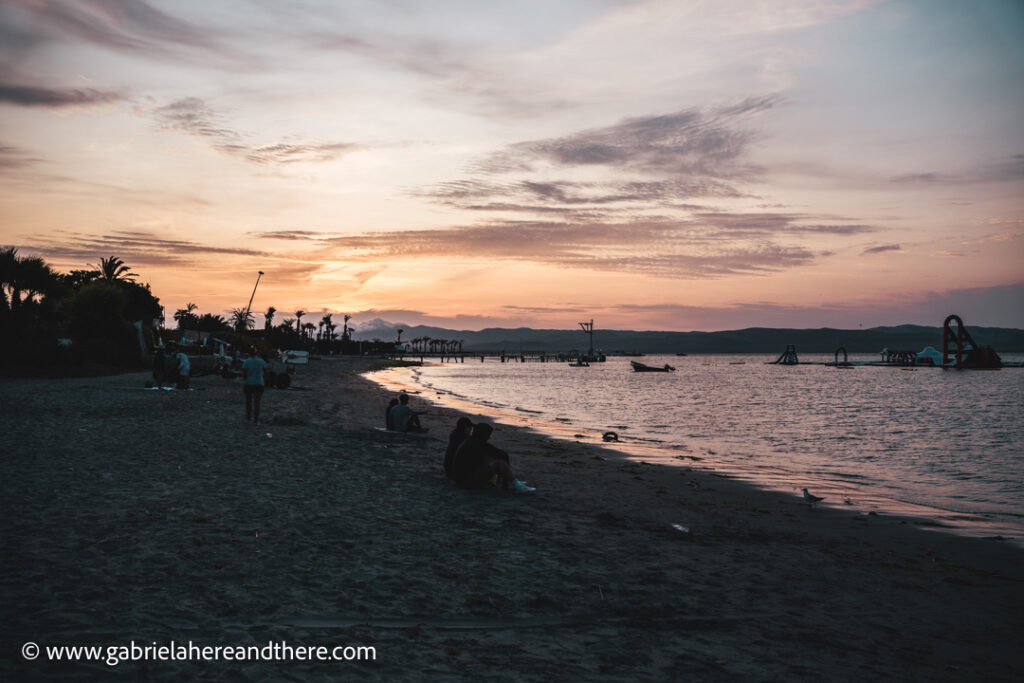
Every single evening of my week here, I made it to the beach to watch the sunset. The light here is genuinely spectacular — the desert dust turns the sky shades of orange and deep rose as the sun drops over the Pacific.
10. Try Ceviche (vegan options available!)

Paracas is known for its seafood and especially ceviche. I’m a vegan myself, so I was happy to find out that there were vegan versions of ceviche available in many restaurants. They also offer veganized versions of many traditional Peruvian dishes. And if you haven’t tried chicha morada yet, order it with your meal — more on that in the food section below. Many restaurants are right by the water, so you can eat with a view.
11. Simply Slow Down
After weeks of fast-paced travel, Paracas felt like a genuine reset. Walking along the waterfront, watching pelicans dive into the harbor, sitting at a café with a laptop, enjoying the quiet atmosphere — these things sound ordinary written down, but in practice they were exactly what I needed. The town has a laid-back energy that’s genuinely hard to find on the South American backpacker trail.
Day Trips from Paracas
Huacachina: Sandboarding and Dune Buggies
About 1 to 1.5 hours from Paracas sits Huacachina — an actual oasis lake surrounded by the highest sand dunes in South America. The main draw is the dune buggy and sandboarding combo: a screaming, bone-rattling ride up 100-meter dunes in an open-topped buggy, followed by hurling yourself down them on a board. It’s a completely different landscape from Paracas, and the sunset from the top of the dunes is extraordinary.
Nazca Lines Flight
The Nazca Lines — the ancient geoglyphs visible only from the air — are roughly 120 kilometers south of Paracas. Small planes depart from Pisco Airport (the nearest airport) and from Nazca itself. A flight lasts about 30–45 minutes and passes over the iconic figures: the hummingbird, the monkey, the spider, the astronaut. Fly in the morning when the air is calmer, and eat lightly beforehand — motion sickness is common.
Ica, Pisco Distilleries, and the Wine Region
Ica, the regional capital about 45 minutes from Paracas, is Peru’s wine and pisco country. Several bodegas around Ica offer tours and tastings — a great half-day if you’re interested in how Peru’s national spirit (a grape brandy that forms the base of the pisco sour) is actually made. The town also has an excellent archaeological museum with artifacts from the ancient Paracas and Nazca cultures.
Where to Eat in Paracas (Including Vegan Options)
The food in Paracas is better than the town’s modest appearance suggests. Being a fishing community, the seafood is the obvious draw — particularly the ceviche. But as a vegan traveler, I was genuinely and pleasantly surprised by how much was on offer.

Many restaurants in Paracas now offer vegan ceviche — usually made with mushrooms, hearts of palm, or mixed vegetables marinated in leche de tigre, the citrus-based “tiger’s milk” sauce. They also have veganized versions of many traditional Peruvian dishes, which I hadn’t expected at all in such a small coastal town.
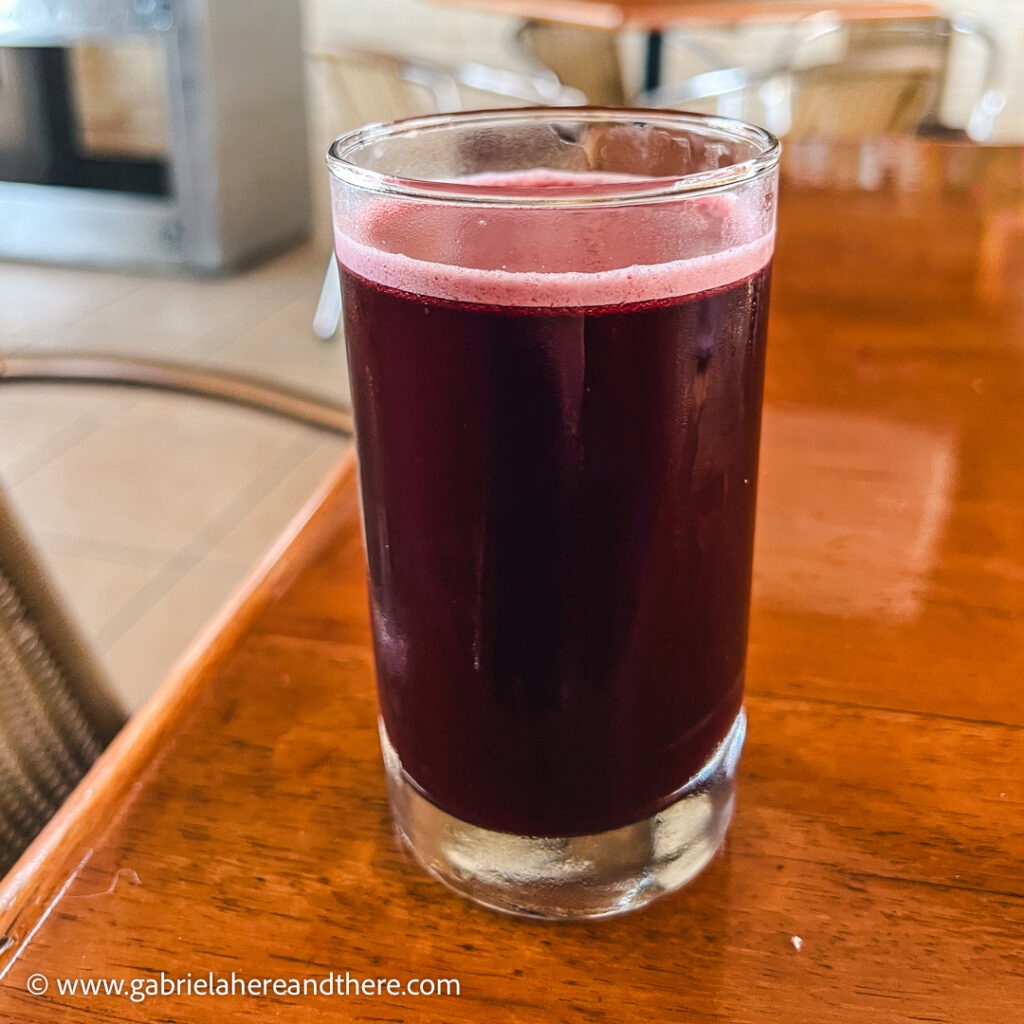
It was also in Paracas that I had chicha morada for the first time, and I absolutely loved it. If you haven’t come across it yet: chicha morada is Peru’s most iconic non-alcoholic drink, made from boiling deep purple corn (maíz morado) together with pineapple peel, apple, cinnamon, and cloves. The result is a deep purple, lightly sweet, warmly spiced drink that’s refreshing and genuinely unlike anything else. It has been consumed in Peru since the time of the Incas, who considered purple corn sacred. Today it’s on the table in virtually every restaurant in the country and pairs perfectly with Peruvian food. Try it — you’ll order a second one.
For vegan options specifically, my top recommendation is Vegano Peruano — it’s in the same restaurant as Paracas Skyview Buffet. They have a separate vegan menu with veganized Peruvian classics like ceviche, chaufa, and causa. Also worth checking out is Triple C Desayunos, which serves delicious arepas that can be made vegan with beans and vegetables.
How to Get to Paracas, Peru
From Lima to Paracas by bus
The journey from Lima takes three to four hours in normal traffic. My recommendation is Cruz del Sur — the most reliable mainstream bus company on this route. Buses leave roughly every hour from their terminal. The buses are comfortable with reclining seats and air conditioning. You can book tickets in advance on the Cruz del Sur website.
Coming from the south — Ica, Huacachina, or Nazca — Paracas is only about one hour away by bus or taxi.
There are also day trips from Lima that include transportation, the Ballestas Islands, and other places — but this obviously doesn’t allow you to stay overnight.
How Long to Stay in Paracas
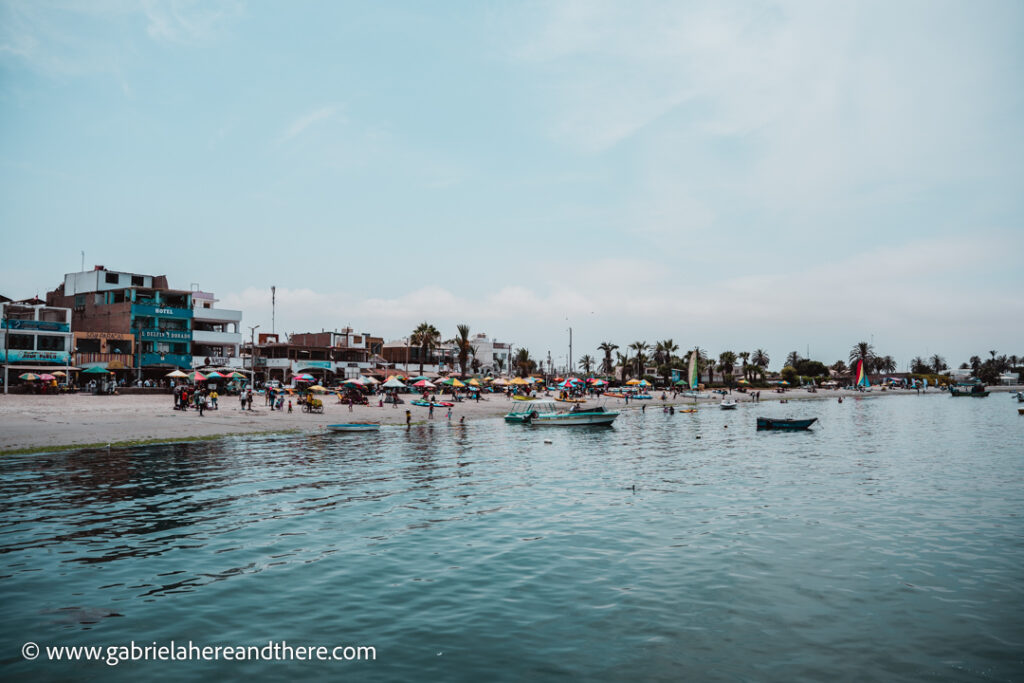
Most people visit as a day trip or stay just one night. After spending a week here, I’d recommend a minimum of two to three days to fully enjoy it — and longer if you want a relaxed base or somewhere to work remotely while doing activities at your own pace.
Two to three days covers the Ballestas Islands, the national reserve, a sunset or two on the waterfront, and some time to chill. Add a day trip to Huacachina or the Nazca Lines and you need another day. If you want to genuinely slow down and use Paracas as a remote work base — which I can now personally vouch for — a week is not too long at all.
Best Time to Visit Paracas
December to March (Peruvian summer) brings the hottest temperatures, clearest skies, and the most visitors — particularly Peruvian families on holiday. The most festive time, and when accommodation books fastest.
April to November brings cooler temperatures and occasional strong winds that can ground Ballestas boat tours for a day or two. But wildlife viewing is excellent during this period: July to October is prime humpback whale season, and penguin sightings are more reliable from May to October, although I still saw plenty of penguins outside of this season too.
Practical Tips for Traveling Paracas, Peru

Money and ATMs
There are ATMs in Paracas, so you don’t need to bring all your cash with you. That said, because this is a smaller town, I’d still recommend having some extra cash with you just in case the ATMs are out of service. Because Paracas is a touristy town, most places accept cards, but some budget accommodation and local restaurants are cash-only.
Wind and dust
Afternoons can be brutally windy inside the reserve and during the boat trips, it can be a bit chilly. The name Paracas means “sand falling like rain” for good reason. Sunglasses are non-negotiable, lip balm is strongly recommended, and go early for cycling and hiking.
What to pack
A windproof jacket for the reserve and the boat tour. Plenty of sunscreen. A reusable water bottle. Comfortable closed-toe shoes for cycling and hiking. A hat you’re willing to lose to the wind — or sacrifice to the bird droppings. Hopefully you won’t be that unlucky, but you never know!
Getting online and remote work
WiFi at most hotels and hostels is functional for remote work — I managed a full week of work from Betania without issues. A local SIM card is a useful backup and I recommend getting an eSIM for Peru. Signal inside the reserve might be limited or non-existent, so download offline maps before heading out.
Travel insurance
If my week stranded by road blockades taught me anything, it’s that travel insurance genuinely matters in Peru. Disruptions — political protests, earthquakes, extreme weather — can and do cause sudden changes to plans. I had made some reservations that I couldn’t use when the roads closed, and I was lucky to get a refund through my travel insurance. I recommend SafetyWing, which is also a great option for digital nomads.
Safety
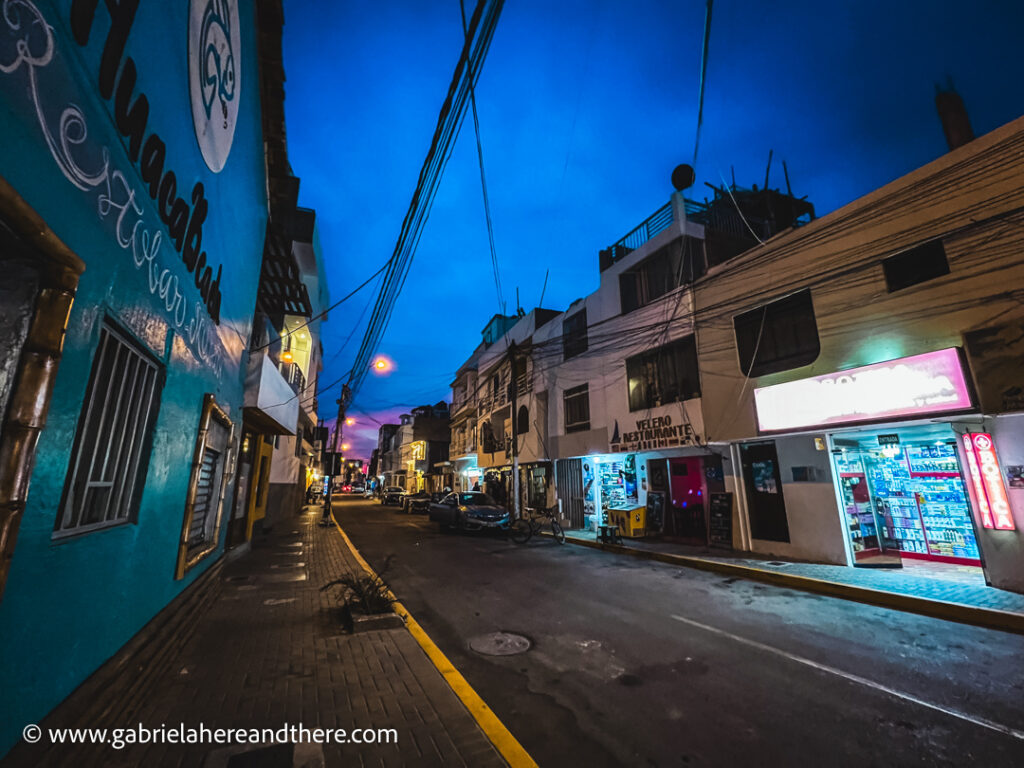
Paracas is generally safe, particularly by the standards of larger Peruvian cities. Common sense applies: keep valuables out of sight, don’t leave bags unattended on the beach, and be aware of your surroundings after dark. The town is small enough to orient yourself quickly. The most dangerous thing I experienced here was the street dogs after it got dark. One night I had to take a longer route back to my hotel, because there was a huge pack of aggressive street dogs on my way.
Is Paracas Worth Visiting?
Yes — absolutely, and far more than most travelers give it credit for. Even if you only come for the Ballestas Islands, Paracas is worth the stop. But if you have the time, staying longer completely changes the experience. I expected a quick stopover and ended up loving this small, dusty, windswept, pelican-filled coastal town more than I expected.
If you’re traveling through Peru, don’t just pass through Paracas. Stay a little longer. Slow down. And you might end up loving it as much as I did.
FAQ: Traveling in Paracas, Peru
Is Paracas safe for solo female travelers?
Yes. Paracas is generally safe and very manageable for solo female travelers. The town is small, easy to navigate, and welcoming. Standard awareness applies after dark, but apart from the street dogs, I felt safe walking alone at night.
Is Paracas worth more than a day trip?
Definitely. Staying longer gives you a completely different experience — the reserve, the sunsets, the food, the slower pace. Two to three days minimum; longer if you want a proper base.
Is there vegan food in Paracas?
More than you’d expect. Several restaurants offer vegan ceviche and veganized traditional Peruvian dishes. Ask at each restaurant — it’s increasingly common even in small towns.
What time should I do the Ballestas Islands tour?
The 8am boat. The ocean is calmer in the morning and the light is better for photography.
🌍 Visiting Every Country — Support My Work
I’m visiting every country in the world, and my travels are entirely self-funded. I focus on unusual, off-the-beaten-path destinations that don’t always get much coverage — which is exactly why I create detailed guides like this.
If you found this post helpful, buying me a coffee is a simple way to support my work and helps me keep creating in-depth travel guides to less-visited places. Thank you for your support ❤️
Liked it? Pin it or share it!